Hi, How Can We Help You?
  • Planning for all of life's "What Ifs".

Category Archives: Business Succession

They say that the only constant in life is change, but in the world of high-stakes banking and executive leadership, the only constant is the relentless need for top-tier talent. Without the right people in the right seats, even the most storied financial institutions are just buildings with impressive vaults.



We’ve all felt the shift. The landscape of executive benefits is evolving faster than a New Orleans jazz solo. Tax codes shift, regulatory scrutiny tightens, and the "Great Reshuffle" has turned the hunt for executive retention into a strategic arms race.

If you are an advisor to the banking industry’s elite, or a leader responsible for the long-term health of your institution, you know that standing still is the same as moving backward. That is why we are thrilled to announce that registration is officially live for the 2026 Independent Bank Corporate (IBC) Owned Life Insurance Study Group.

From November 1–3, 2026, we are returning to our spiritual home at the Hotel Monteleone in New Orleans. This isn't just another industry conference where you sit in a windowless ballroom and trade business cards over lukewarm coffee. This is an exclusive gathering designed for top-tier advisors who are serious about Restoring Alignment and Retention.

Why New Orleans? Why Now?


There is a reason we keep coming back to the French Quarter. Beyond the history and the atmosphere, New Orleans represents a blend of tradition and innovation: much like the strategies we discuss.

What keeps you up at night? For many of our attendees, it’s the "What Ifs" that haunt the boardroom.

  • What if your top talent leaves for a competitor tomorrow?

  • What if a senior executive retires and the replacement cost exceeds your projections?

  • What if a sudden tragedy leaves the business dealing with a widow or a complex succession crisis?


These aren't just hypothetical anxieties; they are the fault lines that can crack a bank’s foundation. At the 2026 IBC Study Group, we don’t just identify these problems; we build the solutions. We focus on the mechanics of Bank-Owned Life Insurance (BOLI) and Corporate-Owned Life Insurance (COLI) not as mere products, but as the engine for The Perfect Plan®.

The Technical Heart: BOLI and Beyond


While the surroundings are legendary, the core of this study group is deeply technical. We dive into the weeds of cost-recovery strategies and the nuances of Bank-Owned Life Insurance (BOLI).

In today’s volatile market, banks are looking for ways to offset the rising costs of employee benefits without taking on undue risk. BOLI remains one of the most effective tools for institutional capital management, offering tax-deferred growth and tax-free death benefits that can be used to fund non-qualified deferred compensation (NQDC) plans or supplemental executive retirement plans (SERPs).

Our sessions will cover:

  • Advanced Cost-Recovery Models: How to structure BOLI to ensure that the bank is made whole for the costs of executive benefits.

  • Executive Retention Strategies: Moving beyond standard bonuses to create "Golden Handcuffs" that actually work.

  • Regulatory Compliance: Navigating the latest updates to ensuring your plans remain "Gospel-compliant" with current tax and banking laws.

  • Succession Planning: Solving the "Business with a Widow" scenario through structured buy-sell arrangements and key-person coverage.


We understand that you are navigating an unstable financial environment. You need a guide who has been through the cycles. Our team at Schiff Executive Benefits acts as that guide, helping you realize your institution’s dream value while protecting your most valuable assets: your people.

Food, Fun, and Friendship: The Monday Night Highlight


We have always believed that the best business happens when the formal ties are loosened. The IBC Study Group has built a reputation on the "Three Fs": Food, Fun, and Friendship. This year, we are taking that to a new level.

On Monday night, we are hosting a Mardi Gras Theme Jazz Reception and Dinner in the brand-new Courtyard at the Hotel Monteleone. Imagine the sound of a brass band echoing off the brick walls, the scent of authentic Creole cuisine in the air, and the chance to network with the brightest minds in the industry in a setting that is uniquely New Orleans.

This isn't just a dinner; it’s an experience designed to foster the kind of deep professional relationships that last decades. It’s where the real "Study Group" happens: sharing stories of what worked, what didn't, and how we are all navigating the complexities of the modern financial world.

Is This Group Right for You?


The IBC Study Group is an exclusive circle. We intentionally keep the numbers focused to ensure that every participant can engage in the high-level dialogue that makes this meeting so valuable.

If you are an advisor who deals with:

  • Institutional BOLI portfolios.

  • Corporate-Owned Life Insurance (COLI) for non-bank entities.

  • Executive benefit plan design and 409A compliance.

  • ESOPs and partnership buy-outs.


...then you belong in the room. This is your opportunity to step away from the day-to-day grind and look at the big picture. Are you building a legacy, or just managing a spreadsheet? Are you offering your clients The Perfect Plan®, or just a standard off-the-shelf solution?

Secure Your Spot


The 2025 Study Group was a complete sell-out, and we expect 2026 to follow suit. The combination of the Monteleone’s charm, the technical depth of our sessions, and the new Monday night Jazz Reception makes this a "must-attend" event on the calendar.

Don't let the "What Ifs" stay unanswered.

  • What if you miss out on the specific tax-efficiency strategies that could save your client millions?

  • What if your competitors are in New Orleans while you’re at your desk?


Registration is now live for the meeting, and hotel reservations are now available through the Hotel Monteleone room block. Important: meeting registration does not cover your hotel booking. They are separate, and you will need to complete both.

Meeting Registration: Register for the 2026 IBC Study Group Here

Hotel Reservation Link: Book your room at Hotel Monteleone

Block Code: IBC30J

If you prefer to call in your reservation, contact 504-523-3341 or 800-535-9595 between 9:00 a.m. and 5:00 p.m. CDT and reference the block code IBC30J.

Sit back, grab your coffee, and mark your calendar. We are heading back to the Big Easy to restore alignment, ensure retention, and celebrate the profession we love.

We can't wait to see you in the Courtyard.


Schiff Executive Benefits is dedicated to helping businesses and banks navigate the complexities of executive retention and cost recovery. Through The Perfect Plan®, we provide the security and guarantees needed in an uncertain world.

For more information on our services or to view our latest insights, visit our posts feed.


It is often said that a business is only as strong as the foundation upon which it is built. You have spent decades pouring your sweat, late nights, and creative energy into your company. You have survived market crashes, global shifts, and the daily grind of management. But here is an undeniable truth: building a business is a labor of love, yet leaving one should not be a labor of grief.


For many business owners, the "exit" feels like a distant shore. However, the reality of business succession is that it often happens when we least expect it. Whether it is a sudden health crisis or a partner deciding to walk away, the stability of your legacy depends entirely on a document that is likely sitting in a dusty drawer: your buy-sell agreement.


Are you certain that document will protect your family? Does it guarantee that you won't end up in business with a widow? Or worse, does it inadvertently hand over your hard-earned equity to the IRS?


At Schiff Executive Benefits, our mission is Restoring Alignment and Retention. We believe that a plan is only as good as its execution. Today, let’s walk through the common pitfalls that keep business owners up at night and how you can secure your professional legacy.


The "What If" Reality Check


We often ask our clients five core "What If" questions. Two of them are particularly relevant here:


  1. What if you end up in business with your partner’s spouse?

  2. What if you need a business buy-out tomorrow but don’t have the cash?


If you don't have a properly structured and funded agreement, these aren't just hypothetical scenarios: they are impending financial disasters. A buy-sell agreement is essentially a "business will." It dictates who can buy the departing owner's share, at what price, and where the money will come from. Without it, or with a flawed one, you are inviting litigation and chaos into your boardroom.


Business partners discussing a buy-sell agreement and succession planning in a modern office.


Mistake #1: The Ownership Trap (Redemption vs. Cross-Purchase)


One of the most frequent business owner issues we see involves the choice between an Entity-Purchase (Redemption) agreement and a Cross-Purchase agreement. While both aim to solve the same problem, their tax and legal implications are worlds apart.


The Redemption Model


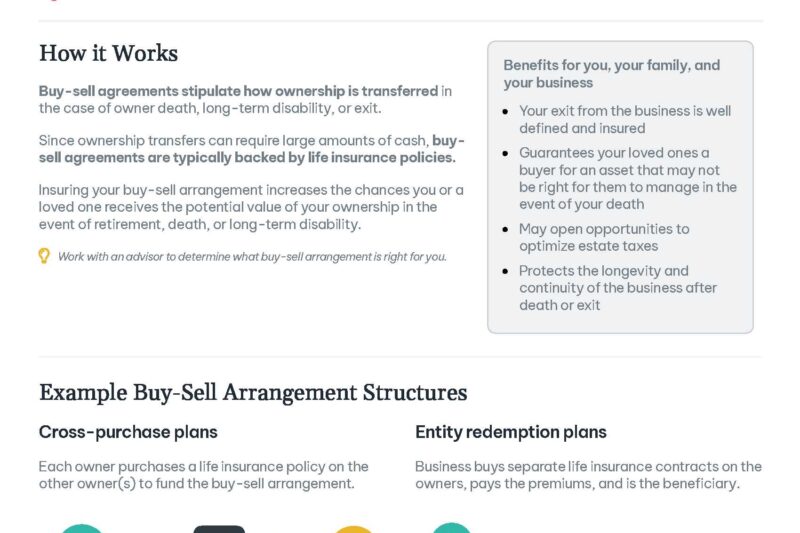
In a redemption or entity-purchase agreement, the business itself buys the life insurance policy on each owner. When an owner passes away, the company receives the death benefit and uses it to buy back the shares.


  • The Pro: It is simple. Only one policy per owner is needed.

  • The Con: The surviving owners do not receive a "step-up" in tax basis. If you eventually sell the company, your tax bill could be significantly higher because your cost basis in the shares remained the same, even though you now own a larger percentage of the company.


The Cross-Purchase Model


In a cross-purchase agreement, the owners buy policies on each other.


  • The Pro: When a partner dies, you receive the insurance proceeds personally (tax-free) and use them to buy the deceased partner’s shares. This gives you a "step-up" in basis, potentially saving you millions in future capital gains taxes.

  • The Con: It can become administratively complex if there are many partners. If you have four partners, you might need 12 separate policies to cover everyone.


Which is right for you? There is no one-size-fits-all answer. Often, we utilize a cross-purchase partnership or a "Trusteed" cross-purchase to simplify the administration while retaining the tax benefits. Failing to analyze this choice is a mistake that often isn't discovered until it's too late to fix.


Mistake #2: The IRC 101(j) Compliance Trap


This is the "Life Insurance Warning" that many generalist advisors miss. Under Internal Revenue Code Section 101(j), if a business owns a life insurance policy on an employee (including owner-employees), specific notice and consent requirements must be met before the policy is issued.


If you fail to comply with 101(j), the death benefit: which you expected to be tax-free: could be treated as taxable income. Imagine needing $5 million to buy out a partner, receiving the check, and then realizing the IRS wants 37% of it.


This is what we call the "Employer-Owned Life Insurance" trap. Compliance requires:


  • Informing the insured in writing that the employer intends to insure their life.

  • Disclosing the maximum face amount for which the employee could be insured.

  • Obtaining written consent from the employee.


At Schiff Executive Benefits, we specialize in navigating these regulatory waters to ensure your COLI (Corporate Owned Life Insurance) strategies remain a source of security, not a tax liability.


Mistake #3: Using a Stale Valuation


When was the last time you valued your company? If your buy-sell agreement uses a fixed dollar amount from 2018, you are playing a dangerous game.


If the business has grown, the surviving partners may be getting a "steal," leaving the deceased partner’s family under-compensated and likely to sue. If the value has dropped, the company might be forced to overpay, potentially bankrupting the business.


We recommend a dynamic valuation formula or a requirement for an annual appraisal. Your legacy deserves an accurate price tag. Business values fluctuate; your agreement must be agile enough to keep pace.


Legal documents and business valuation papers on an executive desk for a buy-sell agreement review.


Mistake #4: The Funding Gap


A buy-sell agreement without funding is just a piece of paper with good intentions. How will you come up with the cash to buy out a partner?


  • Cash on hand? Most businesses don't keep millions in idle cash.

  • A bank loan? Banks are often hesitant to lend to a company that just lost a key partner.

  • Installment payments? This puts a massive strain on future cash flow and leaves the departing family at risk if the business fails.


This is where life insurance buy/sell agreements shine. Life insurance provides immediate, tax-free liquidity at the exact moment it is needed. It creates the "certainty" in an uncertain time. By using COLI or personal policies, you ensure that the surviving partners keep the business and the departing family gets their fair value immediately.


The Power of The Perfect Plan®


Navigating these complexities requires more than just an insurance agent; it requires a team of advisors who understand the intersection of law, tax, and corporate finance. This is the philosophy behind The Perfect Plan®.


We don't just sell policies; we help you engineer a succession strategy that stands the test of time. We look at the "point of no return": the moment when a triggering event occurs: and we work backward to ensure every piece of the puzzle is in place today.


Have you considered what happens if a partner becomes disabled rather than passing away? Most buy-sell agreements are silent on disability, yet the statistical likelihood of long-term disability is far higher than premature death. Our team at Schiff Executive Benefits looks at the holistic picture to ensure no "What If" goes unanswered.


Take the Next Step


The unstable nature of today's economic environment means that waiting "until next year" to review your succession plan is a risk you cannot afford. Economic shifts and tax law changes are happening at an accelerated pace.


Are you making these common mistakes?


  • Is your agreement funded?

  • Is it 101(j) compliant?

  • Does it offer a step-up in basis?

  • Is the valuation current?


If you aren't 100% sure of the answers, it's time for a professional review.


Financial advisors reviewing business succession and executive benefits plans in a boardroom.


Sit back, grab your coffee, and let’s have a conversation about your professional legacy. We invite you to join us for a consultative review where we can explore how to bring your buy-sell agreement into alignment with your current goals.


Don't let the foundation you've built crumble because of a technicality. Let's work together to ensure your business continues to thrive, your partners stay protected, and your family is provided for: exactly the way you intended.


Restoring Alignment and Retention. It’s not just our tagline; it’s our promise to you.


Ready to secure your future? Contact us today to learn more about how we can help you implement The Perfect Plan®.


Learn more: planning your business succession.


A Greek proverb says that a society grows great when old men plant trees whose shade they know they shall never sit in. In the world of business, we call that a succession plan.


But here is the truth that keeps most founders up at night: planting the tree is easy. Ensuring the people you leave behind don’t chop it down for firewood the moment you walk out the door? That is the hard part.


If you own a successful company, you’ve likely reached a crossroads. You want to reward the "A-Team", the loyal lieutenants who helped you build the empire, but you aren’t quite ready to hand over the keys to the kingdom. You want them to feel like owners, to act like owners, and to stay committed for the long haul. Yet, the thought of diluting your equity or dealing with the legal headache of minority shareholders makes you want to crawl under your desk.


Welcome to the "Owner’s Dilemma." Fortunately, there is a way to bridge the gap between your legacy and their loyalty without actually handing over a single share of real stock.


It’s called a Phantom Stock Plan, and it might just be the succession planning gold you’ve been looking for.


What is Phantom Stock? (Ownership Without the Baggage)


Let’s keep this minimalist: Phantom stock is a promise. Specifically, it is a contractual agreement between a company and a key employee that grants the employee the right to receive a cash payment at a future date, keyed to the value of the company’s shares.


It’s "synthetic equity." It looks like stock, smells like stock, and grows like stock, but it isn’t actually stock.


When you grant someone phantom units, you aren't changing your cap table. You aren't giving away voting rights. You aren't inviting a junior VP to your next sensitive board meeting. You are simply saying, "If the company wins, you win."


Think of it as the ultimate executive retention strategy. It aligns the interests of your leadership team with your own. If they drive the company's valuation up, their future payout goes up. It’s clean. It’s efficient. And it’s entirely private.


Why It Is Succession Planning Gold


Succession isn't just about who sits in your chair when you retire. It’s about ensuring the business survives the transition. The biggest risk to any business transition is "Key Person Flight." If your top performers see you moving toward the exit, they might start looking for an exit of their own.


Phantom stock acts as the "golden handcuffs" that keep your team locked in. By using a vesting schedule, say, five to ten years, you ensure that your leadership team has a massive financial incentive to stay through the transition and beyond.


Business owner discussing a phantom stock plan and leadership transition with a successor.


Bridging the Generation Gap


Often, the next generation of leadership doesn't have the liquid capital to buy you out. A phantom stock plan can be designed to "fund" their eventual purchase of the company, or simply to provide them with the liquid wealth necessary to feel secure as they take the reins. It turns "your" business into "our" business in the minds of your successors, without the messiness of a premature legal transfer.


The Technical Details: Getting Under the Hood


To build The Perfect Plan®, you need to understand the mechanics. Not all phantom stock is created equal. Usually, these plans fall into two buckets:


1. Full Value Plans


In a full-value plan, the employee receives the full value of the "share" when the payout trigger occurs. If you grant 1,000 units and the company is worth $100 per share at the time of the trigger, they get $100,000. It’s straightforward and provides immediate perceived value.


2. Stock Appreciation Rights (SARs)


SARs are a bit more minimalist. The employee only gets the increase in value from the date of the grant. If the share is worth $100 today and grows to $150, they get the $50 difference. This is great for incentivizing pure growth and is often used when a company is already highly valued but wants to push for one last mountain peak before a sale.


Vesting and Valuation: The RISR Factor


How do you know what a "share" is worth in a private company? This is where many owners get tripped up. You need a consistent, defensible valuation methodology. Whether it’s a multiple of EBITDA or a formula-based approach like our RISR Valuation, it must be transparent. If the team doesn't trust the math, the incentive disappears.


Vesting schedules are your lever for control. You can tie vesting to time (tenure), performance (profit targets), or a "trigger event" like the sale of the company.


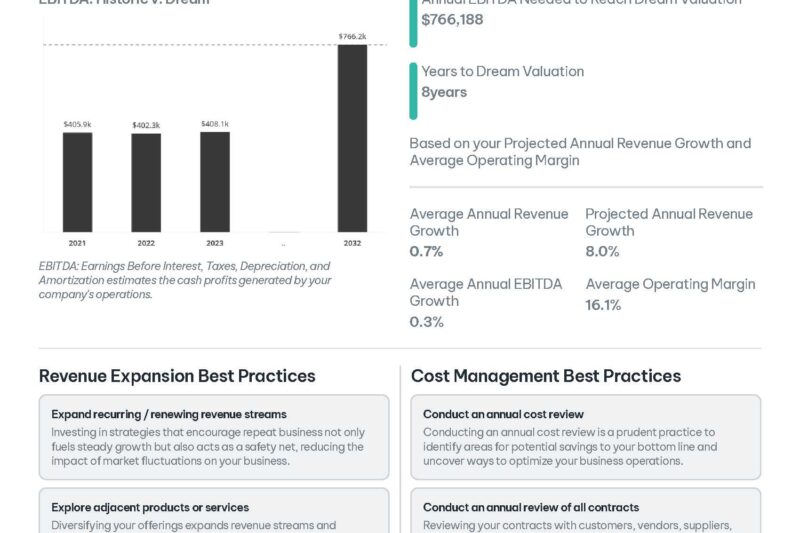
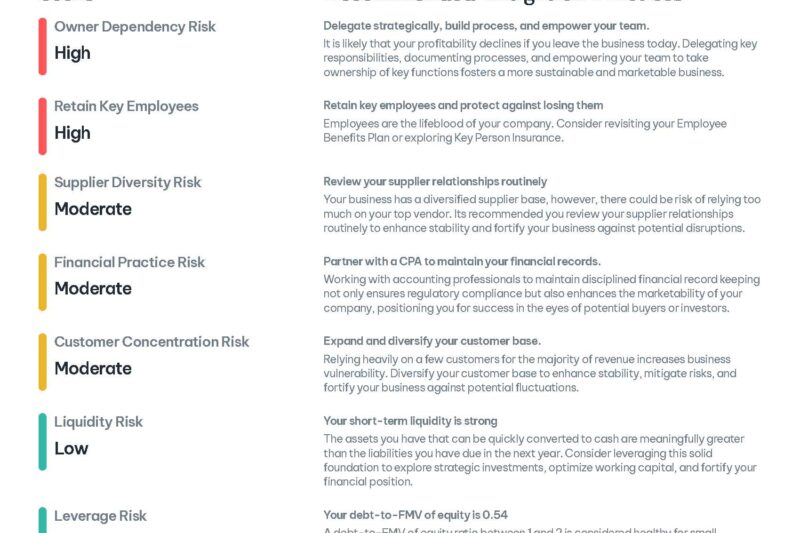
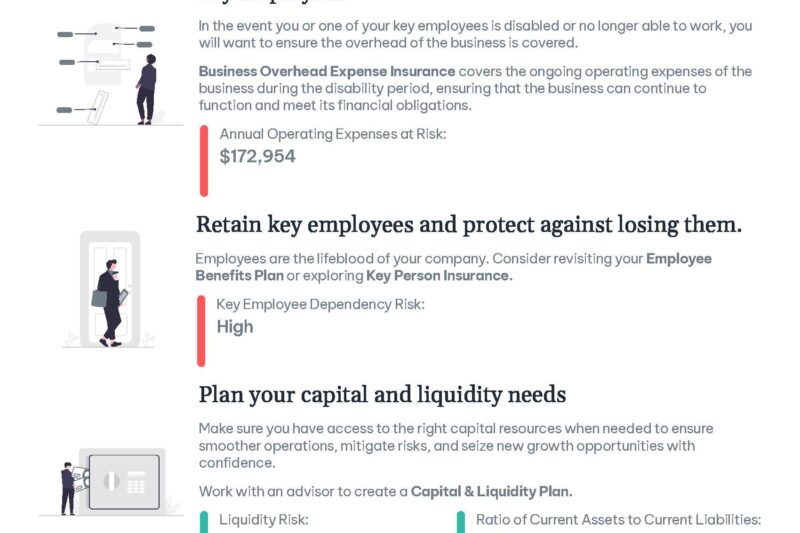
Financial Blueprint Analysis


The Problem-Solution Framework: Why Now?


You might be thinking, "Can't I just give them a bigger bonus?"


Sure, you could. But a bonus is a reward for what they did last year. Phantom stock is an investment in what they will do for the next ten years.


The Anxiety: You’re worried that if you don’t offer equity, your best person will leave to start their own firm or join a competitor.
The Security: Phantom stock gives them the "upside" of a founder with the security of a cash-settled contract.


The Anxiety: You don't want to deal with the fiduciary duties and disclosure requirements that come with having minority shareholders.
The Security: Because phantom stock is a non-qualified deferred compensation plan (under tax code 409A), you retain 100% control. You are the boss. Period.


Tax Reality Check


We have to talk about the IRS, because they certainly want to talk about you.


  • For the Employee: Phantom stock is taxed as ordinary income when it is paid out. No tax is due at the time of the grant or during vesting (usually).

  • For the Employer: The company gets a tax deduction for the payout in the year it is made.


It is a "pay-as-you-go" strategy. You aren't losing cash today to reward performance tomorrow. You are creating a liability on the balance sheet that is only settled when the goal is reached.


Is This Part of Your Perfect Plan®?


At Schiff Executive Benefits, we don’t believe in "off-the-shelf" solutions. Every business has a different heartbeat. Maybe you’re a family-owned manufacturer looking to pass the torch to a non-family CEO. Or maybe you’re a high-growth tech firm preparing for an eventual BOLI-funded exit.


The goal is to design a system that protects your legacy while fueling your growth. We look at the whole picture: from COLI strategies to Bank-Owned Life Insurance to ensure your plan is actually funded when the bill comes due.


Professional advisors collaborating on executive benefit strategies and business succession planning.


The Bottom Line


Succession planning is often postponed because it feels like an ending. But a well-executed Phantom Stock Plan turns your exit into a new beginning for the people who helped you get there. It’s about more than just money; it’s about respect, alignment, and the peace of mind that comes from knowing your business is in good hands.


Are you ready to stop worrying about your cap table and start focusing on your legacy?


It might be time to stop guessing and start engineering. You’ve built something incredible. Now, let’s make sure it lasts.


If you’re curious about how phantom stock fits into your specific situation, or if you want to see how we’ve implemented these plans for our representative clients, let’s talk.


Sit back, grab your coffee, and reach out to our team. We’re here to help you navigate the "unstable" and find your version of The Perfect Plan®.


Schiff Executive Benefits provides specialized consulting in executive benefits and succession planning. To learn more about our philosophy, visit our About page or check out our full list of services.


Learn more: how Phantom Stock creates an ownership feel and planning your business succession.


If you are a business owner or decision making executive, how would you want to design The Perfect Plan™ to retain and reward your employees? A 401K is terrific for basic retirement savings, but there are limitations to how much you can put in, and it must be given to everyone on a proportional basis.

In this episode, we discuss the decision making process, how you can get the perfect timing of your deductions, and include the people and benefits that are needed most, in the most tax efficient manner.  No two companies are alike, and neither should your plans be.

Come and listen to this podcast as we lay it out for you.

https://youtu.be/iaauDbaRHa8

It's the beginning of December, and as a business owner, timing your deductions to match your revenue, is at the top of your goals that we here from our clients.  In this episode, I quickly cover some of the deductions that you should think about both before, or after, the end of the year.  If you haven't set up your "Perfect Plan", now is the time.


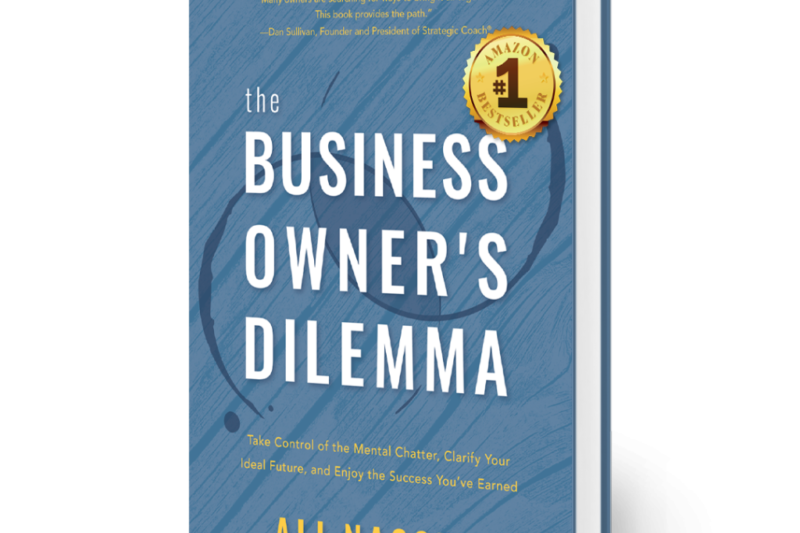
In my latest interview with key people in the financial services world, I had the pleasure to hear from my friend Ali Nasser as he explained his history of working with business owners and their "dilemmas". We chatted about our friendship, history, and how he decided to write his book where you'll learn that you aren't alone in how you run your business, what you prioritize, and what you think about. He has spoken nationwide about this topic, and you can learn more by accessing his book through this link:

If you'd like to purchase his book, please use the following link:

https://www.amazon.com/Business-Owners-Dilemma-Control-Chatter/dp/1544501463

Through his stories, he'll help you gain clarity of what is most important to you, and help you lay out a plan for your "ideal" situation.

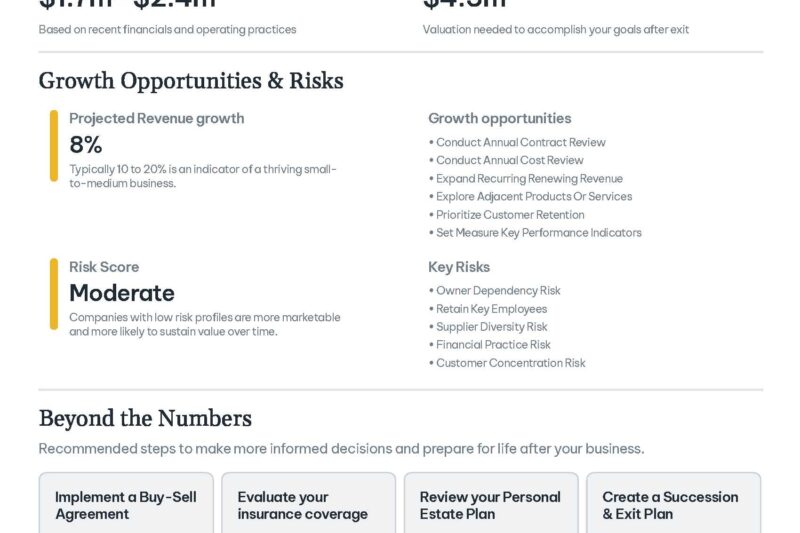
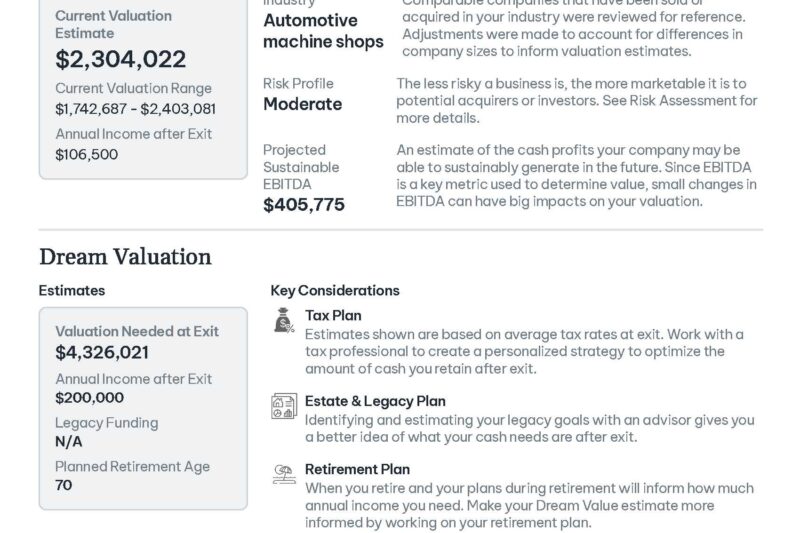
Start your own valuation here:

P.S. SEB does not make any money on the sales of this book, and 100% of the proceeds from his book go to Charity (Water). We hope that you enjoy what it offers you, and that if you find value, we would be happy to help you Clarify your ideal Future.


In a PERFECT world, how would you design a "benefit" plan for you (the Business Owner), your key executives, and your family? Well, in this Episode, Matt goes through some design options available when starting a brand new plan.  In essence, you have a blank piece of paper that allows you to build it YOUR way.

Sit back grab your coffee, and listen to some options available to you depending on your role.