
Hi, How Can We Help You?
  • Planning for all of life's "What Ifs".

Category Archives: Retention


Success breeds complexity. It is a universal truth in the lifecycle of a private enterprise that the very tools used to fuel growth: chiefly, equity compensation: eventually attract the magnifying glass of federal regulators. For years, the threshold for "enhanced disclosure" under SEC Rule 701 stood at $5 million. It was a manageable hurdle for many mid-market firms.


However, as of March 6, 2026, the landscape has shifted. The SEC has officially raised that threshold to $10 million. On the surface, this looks like regulatory relief. In practice, it is a new boundary line that, if crossed without technical precision, can jeopardize your entire equity incentive program.


If you are a CFO, General Counsel, or Founder of a high-growth private company, you are likely asking: What if our success outpaces our compliance infrastructure? At Schiff Executive Benefits, we focus on Restoring Alignment and Retention. When the rules of the game change, your strategy must evolve instantly to protect your most valuable asset: your people.


The $10 Million Threshold: A Double-Edged Sword


Rule 701 is the primary safe harbor that allows private companies to offer equity to employees, officers, and consultants without the soul-crushing expense of a full SEC registration. It is what makes "ownership feel" possible in the private sector.


The new 2026 guidance mandates that if the aggregate sales price or amount of securities sold during any consecutive 12-month period exceeds $10 million, the company must provide "enhanced disclosures" to all recipients.


The anxiety here isn't just about the number; it’s about the calculation. The $10 million isn't a "per-grant" limit. It is a rolling aggregate. Are you tracking the exercise price of options granted alongside the grant-date value of Restricted Stock Units (RSUs)? If the sum of these parts crosses the $10 million mark at 11:59 PM on a Tuesday, every grant made in the preceding 12 months is suddenly subject to a higher standard of transparency.


Private company financial reports on an executive desk, illustrating SEC Rule 701 enhanced disclosure compliance.


What "Enhanced Disclosure" Actually Means


Once you cross the $10 million rubicon, you aren't just sending out a summary plan description. You are stepping into the realm of "mini-IPO" disclosures. Under Rule 701(e), you must provide:


  1. A summary of the material terms of the plan.

  2. Information about the risks associated with investment in the securities.

  3. Financial statements as of a date no more than 180 days before the sale. These must be prepared in accordance with GAAP.


For many private companies, the requirement to share GAAP-compliant financial statements with a broad group of employees is a non-starter. It creates a massive "what if" scenario: What if our internal financial data leaks to competitors because we wanted to give our VP of Sales a few more options?


This is where technical expertise meets strategic intent. We often see companies struggle to balance the need for retaining key people with the desire for financial privacy.


The Penalty: A Regulatory "Point of No Return"


The SEC is not known for its leniency regarding Rule 701. If you exceed the $10 million threshold and fail to deliver the required disclosures within a "reasonable period of time" before the sale, you lose the exemption entirely.


Not just for the grant that pushed you over the limit: but for the entire offering during that 12-month period.


Imagine the fallout: Your equity grants could be deemed "unregistered securities offerings" in violation of Section 5 of the Securities Act. This creates a rescission right for employees, potential fines, and a massive red flag for any future M&A due diligence or IPO aspirations. It is the definition of a "nightmare scenario" that keeps founders up at night.
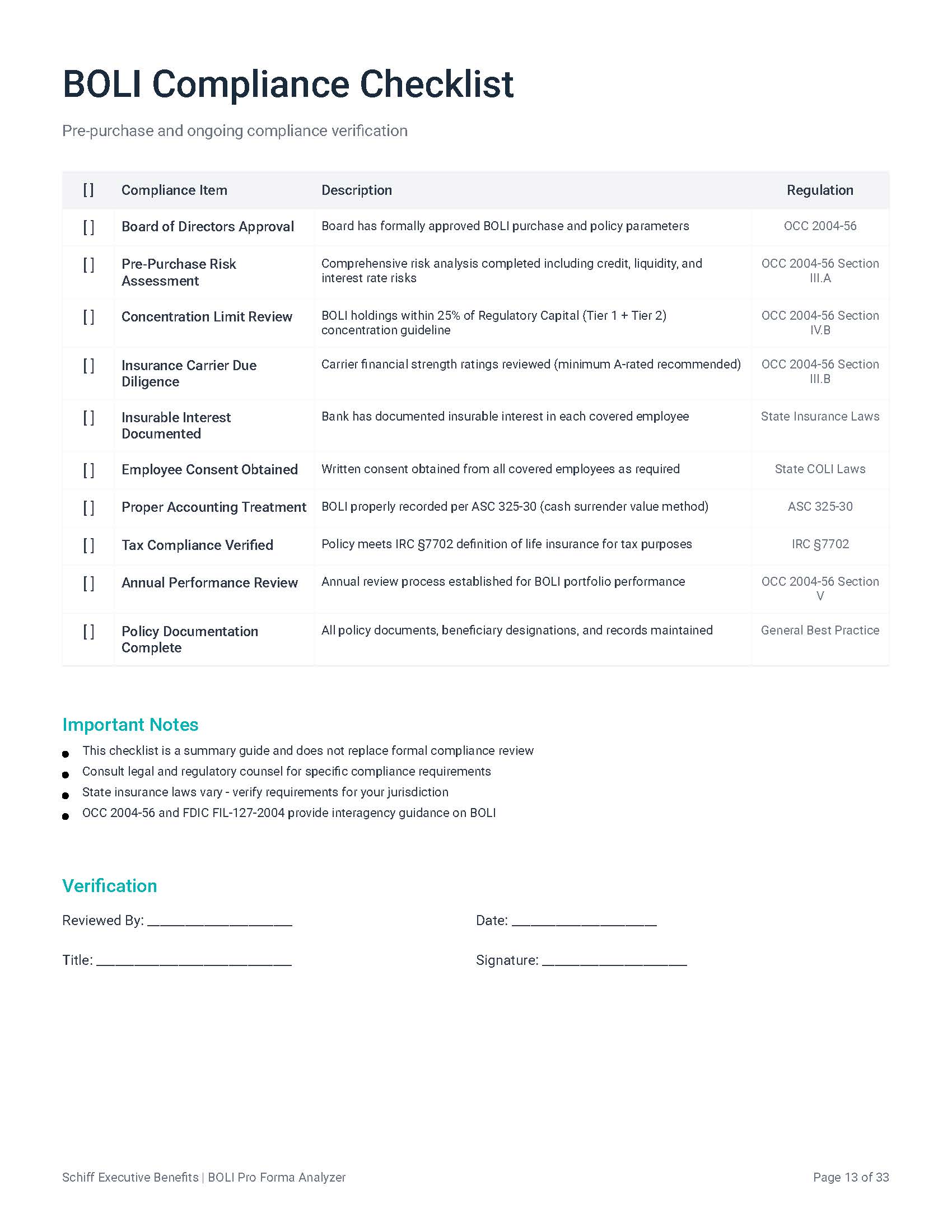

BOLI Compliance Checklist


Navigating Technical Nuances: RSUs, Repricing, and M&A


The March 2026 guidance clarified several "gray areas" that previously led to compliance drift:


  • The RSU Trap: For RSUs, the "sale" occurs at the time of the grant, not the vesting or settlement date. If you grant $11 million in RSUs today, you must have provided the enhanced disclosure yesterday. There is no retrofitting compliance.

  • The Repricing Calculation: If you reprice underwater options to boost retention: a common move in volatile markets: both the original value and the new repriced value may count toward your $10 million threshold if they occur within the same 12-month window.

  • The M&A Multiplier: If you acquire a company, their Rule 701 grants for the year now count toward your $10 million limit. We've seen deals nearly collapse because the acquirer didn't realize the target’s equity plan would trigger a disclosure requirement for the entire parent company.


Restoring Alignment: The Schiff Perspective


At Schiff Executive Benefits, we often ask our clients one of our core "What If" questions: What if your top talent leaves because your equity plan is too complex or legally compromised?


If the $10 million Rule 701 threshold creates too much friction or exposure, it may be time to look at non-equity alternatives that provide the same "ownership feel" without the SEC headache. This is where The Perfect Plan® comes into play.


By integrating strategies like Phantom Stock or Executive NQDC (Non-Qualified Deferred Compensation) plans, you can mirror the economic upside of equity without triggering the same level of federal securities disclosure. When funded correctly: often through high-level Corporate Owned Life Insurance (COLI): these plans provide a secure, tax-efficient way to reward the C-Suite.


C-suite executives collaborating on corporate equity grant strategies and executive benefit planning in a boardroom.


Immediate Action Items for the C-Suite


You cannot manage what you do not measure. In light of the March 2026 update, your internal "Team of Advisors" (CFO, HR, Legal, and Benefit Consultants) should take the following steps:


  1. Conduct a 12-Month Rolling Audit: Track every grant, exercise, and RSU award from the last year. How close are you to $10 million?

  2. Forecast the "Grant Burn": Look at your hiring plan for the remainder of 2026. Will those new hires push you over the limit?

  3. Evaluate Disclosure Readiness: If you must cross the limit, are your GAAP financials ready for "prime time"? Are you prepared for the administrative burden of distributing these to every option holder?

  4. Consider the "Mirror" Strategy: If the $10 million limit is a hard ceiling for your privacy concerns, explore NQDC and 409A plans that provide long-term incentive value without the Rule 701 baggage.


BOLI Plan Accounting Overview


Building It Your Way


The national debt is rising, market trends are volatile, and the SEC is sharpening its tools. In this "unstable" environment, your job is to create a fortress of stability for your key executives.


Whether you are navigating the complexities of Rule 701 or looking to retain your key people through innovative benefit design, the goal is always the same: Restoring Alignment and Retention.


Don't let a technicality in the securities code dismantle a decade of hard work. The difference between a successful exit and a regulatory quagmire often comes down to the advisors you have in your corner.


Are you ready to stress-test your equity strategy against the new 2026 standards?


Sit back, grab your coffee, and let’s look at your plan together. We’ve helped countless firms navigate these waters, ensuring that their executive benefits are a source of strength, not a liability.


Come join us for a consultation. Let’s make sure your "Perfect Plan" stays that way.


To learn more about how we help private companies and financial institutions navigate complex regulatory environments, visit our blog or listen to The Perfect Plan® Podcast.




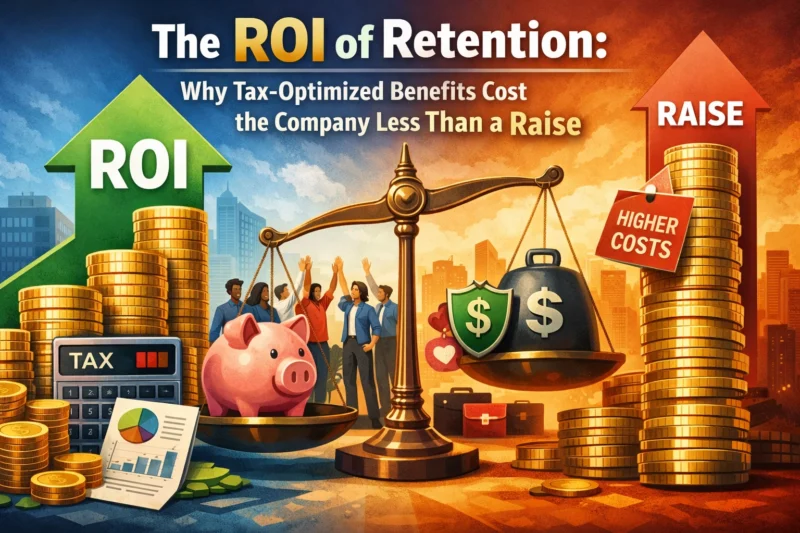
In business, it is an undeniable truth that it isn’t what you make: it’s what you keep. This principle applies to your personal wealth, your company’s bottom line, and, perhaps most importantly, your key employees’ take-home pay.


Every business owner has felt the sting of the "Retention Hamster Wheel." You have a superstar: someone who knows your systems, your clients, and where the bodies are buried. They come to you with a job offer from a competitor for 15% more than their current salary. You want to keep them, so you match it. But here is the problem: to give that employee a $20,000 raise, it actually costs your company significantly more than $20,000, and the employee sees significantly less than $20,000 after the IRS takes its cut.


Are you simply funding the government’s coffers while trying to save your own culture? There is a better way.


The Friction of the Traditional Raise


When you increase a key executive’s salary, you are choosing the least tax-efficient way to move capital from the business to the individual. First, the company pays payroll taxes on that increase. Then, the employee pays ordinary income tax: often at the highest marginal rate: plus state and local taxes. By the time that "raise" hits their bank account, it has been eroded by 40% or more.


Worse yet, a raise offers very little in the way of "Golden Handcuffs." Once a salary is increased, it becomes the new baseline. It doesn’t necessarily incentivize the employee to stay for the next five or ten years; it just makes them more expensive today.


What if you could provide a benefit that feels more valuable to the employee, costs the company less in the long run, and creates a powerful incentive for them to stay until retirement?


financial-blueprint-analysis.webp


Enter Tax-Optimized Executive Benefits


At Schiff Executive Benefits, we focus on moving away from "tax-heavy" compensation and toward "tax-optimized" wealth building. By using specialized structures, we can bypass the limitations of traditional 401(k) plans and create meaningful value for your inner circle.


1. Non-Qualified Deferred Compensation (NQDC)


Think of an NQDC plan as a "401(k) Mirror." For your highest earners, the standard IRS contribution limits are often a drop in the bucket. An NQDC plan allows them to defer a much larger portion of their compensation, pre-tax, into a plan where it can grow tax-deferred. For the company, this creates a liability on the books, but one that is tied to the employee’s continued service.


2. Phantom Stock Plans


You want your key people to think like owners, but you don't necessarily want to dilute your actual equity. Phantom Stock mimics the appreciation of your company's value. When the company hits certain milestones or the employee reaches a specific tenure, they receive a cash bonus equivalent to the "value" of the shares. It aligns their interests with yours without the legal headaches of actual stock transfers.


3. Split-Dollar Life Insurance


This is perhaps the ultimate "win-win." The company pays the premiums on a life insurance policy for the executive. The executive gets a massive death benefit for their family and, eventually, access to tax-free cash flow from the policy’s cash value. The company, meanwhile, is eventually reimbursed for every cent it paid in premiums.


Hourglass on a luxury desk representing the full cost recovery model for tax-optimized executive benefits.


The Full Cost Recovery Model: The Business Owner’s Secret


The biggest difference between a "raise" and a "benefit" is what happens to the money after it leaves your hand. When you pay a salary, that money is gone forever. It is a pure expense.


However, many of the strategies we design for our clients utilize the Full Cost Recovery model. By using Corporate Owned Life Insurance (COLI) as the informal funding vehicle for these benefits, the business can actually recover the cost of the program.


Here is how it works:


  1. The company establishes an executive benefit (like an NQDC).

  2. The company purchases a life insurance policy on the executive to fund that future liability.

  3. As the policy grows, it provides the liquidity to pay the benefit.

  4. Upon the executive’s eventual passing (even long after retirement), the death benefit is paid to the company tax-free, reimbursing the business for the premiums paid and the benefits distributed.


In this scenario, the "cost" of the benefit isn’t the cash outlay: it’s the opportunity cost of the money. Compare that to a salary increase, which is an absolute loss of capital. When you look at the math, tax-optimized benefits don't just cost less; they can eventually become cost-neutral.


The ROI of Peace of Mind


Financial stress is a silent killer of productivity. Research suggests that financial anxiety costs American employers billions annually in lost focus and engagement. By providing your key talent with a structured path to wealth that isn't eroded by immediate taxation, you aren't just giving them money: you're giving them security.


When an executive knows their retirement is secure and their family is protected through a customized executive benefit solution, they aren't looking for the exit. They are looking at how to help you grow the business.


Does your current compensation strategy feel like a sieve, where capital is constantly leaking out to the IRS? Are you worried that your best people are one headhunter call away from leaving?


executive-expertise-in-action.webp


Building Your Perfect Plan®


We live in an era of economic uncertainty. With national debt rising and tax laws in a constant state of flux, relying on "the way we’ve always done it" is a recipe for stagnation. You need a team of advisors who understand the technical nuances of the tax code and the human nuances of your business culture.


At Schiff Executive Benefits, we don't believe in off-the-shelf products. We believe in The Perfect Plan®: a methodology designed to align your corporate goals with the personal financial needs of your leadership team.


Whether you are looking to protect your business through a modernized buy/sell agreement or you want to ensure your top performers never have a reason to leave, the strategy must be tax-efficient to be effective.


Take the Next Step


You’ve worked too hard to build your business to let tax inefficiency and talent turnover hold you back. It’s time to stop overpaying for "raises" that don't produce a return and start investing in benefits that build long-term value.


Let’s look at the math together. We can help you analyze your current payroll and benefit structure to see where the leaks are and how to plug them.


Schedule a consultation with Matt Schiff via our Calendly link here to discuss how we can implement a tax-optimized retention strategy for your company. Grab a coffee, sit back, and let’s talk about how to protect your legacy and your people.


perfect-plan-podcast-banner.webp


Want to hear more about these strategies in action? Check out The Perfect Plan® Podcast where we dive deep into the technical and emotional aspects of executive wealth and business succession.


They say that “what gets measured gets managed.” And in executive benefits, what gets aligned gets retained. You spend years building a team, finding those rare people who drive revenue, protect relationships, and carry culture. Then you face the question that keeps owners, CFOs, and board members up at night: How do you keep them without creating a benefit that feels like an entitlement… or an expense you’ll regret?

What if you could design a benefit that:


  • Rewards a key employee in a way they actually value

  • Creates a real golden handcuff (without the awkwardness)

  • Aligns the executive’s mindset with company performance and culture

  • And gives the employer a current tax deduction


That’s where The Perfect Plan® mindset changes the conversation. We’re still talking about Split Dollar Life Insurance—but not as a “secret,” and definitely not as a cost recovery story. We’re talking about how a Restricted Executive Bonus Arrangement (REBA)—when paired with a Split Dollar Endorsement—can become a clean, practical retention engine that creates a true win-win.

If you’ve been losing sleep over executive retention, rising compensation pressure, or how to keep your best people rowing in the same direction, pull up a chair. Let’s demystify this.

What Is Split Dollar, Really?


First things first: Split Dollar isn’t a type of insurance policy. You can’t go out and "buy a Split Dollar." Instead, it is a method of sharing the costs and benefits of a life insurance policy between two parties: usually an employer and an employee.

Think of it like a partnership. The company has the capital; the executive has the need for high-limit life insurance and tax-advantaged retirement income. Split Dollar is the bridge that connects the two.

We typically see this structured in two ways:

  1. The Endorsement Method: The employer owns the policy and "endorses" a portion of the death benefit to the employee’s beneficiaries. This is often used when the primary goal is providing a death benefit.

  2. The Collateral Assignment (Loan Regime) Method: The employee owns the policy, and the employer pays the premiums. These payments are treated as a series of loans to the employee, secured by the policy’s cash value and death benefit. This is the heavy hitter for executive retention because it can build significant cash value for the executive's retirement.


Trusted advisors discussing split dollar life insurance and executive retention strategies in a professional office.

The Perfect Plan® Move: REBA + Split Dollar Endorsement (Deduction + Golden Handcuff)


Here’s the anxiety we hear all the time—from corporations, partnerships, and banks alike: “If I pay them more, it’s just more comp… and they can still leave.” A traditional bonus is appreciated, then forgotten. A retirement plan contribution is valuable, but it doesn’t always feel tied to performance or culture. And in uncertain markets, you want a strategy that creates commitment, not just compensation.

This is where The Perfect Plan® approach shines: you reverse-engineer a benefit that matches the intent of the business.

A common structure we use is a Restricted Executive Bonus Arrangement (REBA) funded with life insurance, paired with a Split Dollar Endorsement arrangement. In plain English:

  • The employer pays a “restricted bonus” to the key employee.

  • The employer takes a current tax deduction for that compensation expense (assuming it meets normal deductibility rules and is reasonable compensation).

  • The bonus dollars fund a life insurance policy designed around the executive’s goals (family protection now and supplemental income later).

  • Restrictions are added (the golden handcuff) so the executive earns access over time—typically through a vesting schedule tied to tenure, performance, or key milestones.

  • The employer-owned endorsement structure allows the employer to own/control key policy rights while endorsing benefits to the employee’s beneficiaries—helping keep the program consistent with the company’s culture and intent.


One of my favorite “real world” moments is when a founder says, “I don’t want handcuffs. I want alignment.” Then we show them how restrictions can be framed as earned ownership feel—a benefit that grows as the executive helps grow the company. That’s not punitive. That’s fair.

This is the win-win:

  • You get retention by design (not by hope).

  • They get a benefit that feels permanent and personal (not like another line item on payroll).

  • Your culture stays intact because the rules are clear, consistent, and tied to what your business actually values.


In other words: it’s not about “buying loyalty.” It’s about creating earned alignment—so your best people think twice before taking that headhunter call, because the arrangement is tied to the company’s performance, expectations, and culture.

The Technical Minefield: Why Expertise Matters


Now, here is the part the "experts" don't always explain clearly: Split Dollar is a technical minefield. If you don't have an advisor who lives and breathes this stuff, you can end up in a world of tax pain.

Take IRC Section 101(j), for example. This is a big one. It requires very specific notice and consent requirements for employer-owned life insurance. If you miss a signature or fail to file the right paperwork before the policy is issued, the death benefit: which is normally tax-free: could become taxable. Can you imagine explaining that to a grieving family or your board of directors?

Then there’s Section 409A. If your Split Dollar arrangement is deemed a "nonqualified deferred compensation" arrangement and it isn't compliant, your executive could face immediate taxation and a 20% penalty.

This is why we focus so heavily on the "Goal-Oriented Reverse Engineering" I mentioned in our previous post. We don't just pick a product; we design the compliance framework first. We ensure every "i" is dotted and every "t" is crossed so your legacy: and your company’s capital: is protected.


The Broker Advantage: Why We Don't Have a "Favorite" Carrier


One of the biggest secrets in this industry is that many firms are "captive" or heavily incentivized to push one or two specific insurance carriers. They’ll tell you that Carrier A has the best Split Dollar product because Carrier A is the only one they really sell.

At Schiff Executive Benefits, we take a different approach. We are independent brokers. We work with the giants: John Hancock, Lincoln, MetLife, Prudential, Pacific Life, and many more.

Why does this matter to you? Because every company is different. A law firm in New York has different needs than a manufacturing plant in the Midwest or a community bank in the South. One carrier might have better pricing for older executives, while another might offer superior cash-value growth for a younger team.

Our "Broker Advantage" means we shop the entire market to find the carrier that fits your arrangement, rather than forcing your arrangement into a carrier’s box. We aren't looking for the easiest sale; we’re looking for the most efficient engine to power your executive retention strategies.

Schiff Executive Benefits Carrier List

Is The Perfect Plan® Version of Split Dollar Right for You?


You’ve built something incredible. Whether it’s a corporation, a partnership, or a financial institution, your success is built on the backs of your key people. But the world is uncertain. Taxes may rise, markets will fluctuate, and the war for talent isn’t slowing down.

Ask yourself:

  • Are my top people truly aligned with our performance and culture—or are they one headhunter call away from leaving?

  • If I increase comp, will it actually change behavior and commitment—or just increase payroll?

  • Do we have a benefit that feels meaningful to the executive and disciplined to the business?


When REBA is designed with the right restrictions—and paired with a Split Dollar Endorsement—it becomes more than “a benefit.” It becomes a retention agreement with a heartbeat. It tells a key executive: we’re investing in you, and we want you here when the next chapter of this company gets written.

Building It Your Way


At the end of the day, you want to realize your dream value for your business. You want to know that the team you’ve assembled will stay together to cross the finish line.

We don't believe in one-size-fits-all "products." We believe in The Perfect Plan®. It’s about starting with your goals—retention, a current employer tax deduction, and a benefit that actually changes behavior—and reverse-engineering a solution that works.

Whether you are looking into COLI for a large corporation or a NQDC plan for a growing partnership, the strategy needs to be as unique as your thumbprint.

If you’re curious about how these "secrets" can be put to work for your firm, let’s talk. No high-pressure sales pitch, just a conversation between professionals.

Sit back, grab your coffee, and when you’re ready to see how the math works for your specific situation, come join us. We’re here to help you navigate the unstable waters of executive benefits with a steady hand and a clear map.

To your success,

Matt Schiff
President, Schiff Executive Benefits


At the end of the day, people don’t just work for a paycheck; they work for a future they can actually envision. It’s an undeniable truth in the world of executive leadership: if your top talent doesn't feel their long-term security is inextricably linked to your company’s success, they will eventually look for a door that offers a clearer view of the finish line.


You’ve likely implemented a Nonqualified Deferred Compensation (NQDC) plan with the best of intentions. You wanted to provide a "golden handcuff" to keep your key players in their seats. But what happens when those handcuffs feel more like a nuisance than a reward? Or worse, what happens when your competitors are offering a set of keys that look a lot more inviting?


At Schiff Executive Benefits, we often see companies that have the right tools but the wrong blueprints. We believe in reverse-engineering solutions to match your specific company culture, rather than forcing a generic plan into a unique environment. If your NQDC plan isn't doing the heavy lifting of retention, it’s time to look under the hood.


Here are 10 reasons your NQDC plan might be underperforming: and how we can work together to fix it.


1. The "Black Box" Problem: Lack of Education


If an executive doesn't understand the internal mechanics of their plan, they won't value it. We’ve sat down with brilliant CFOs and COOs who view their NQDC plan as a "black box": money goes in, something happens, and eventually, money comes out. Without a clear understanding of the tax-advantaged growth and the compounding power of the plan, it’s just numbers on a screen.


The Fix: Enhance participant education. This isn’t about a one-time HR meeting; it’s about ongoing, consultative engagement. We help participants see the "why" behind the plan, aligning it with their personal retirement goals.


executive-consultant-modern-office-microphone.webp


2. The Gold is Too Far Away: Rigid Vesting Schedules


Vesting is the heart of retention, but if the schedule is too aggressive or too distant, it loses its "pull." A 10-year cliff vesting schedule might seem like a great way to ensure long-term loyalty, but in today’s fast-paced market, it can feel like an impossible mountain to climb.


The Fix: Consider "rolling vesting" or milestone-based triggers. By rewarding longevity in digestible increments, you create a continuous incentive to stay for "just one more year," which eventually turns into a career.


3. The "Generic Trap": Lack of Customization


One of the biggest mistakes we see is a "one-size-fits-all" approach. Your VP of Sales has different financial anxieties than your Head of R&D. If the plan doesn't reflect the culture of your leadership team, it will never feel like a personal benefit.


The Fix: This is where we excel. We reverse-engineer your executive retention strategies to match your culture. Does your team value aggressive growth, or are they more concerned with downside protection? Build the plan around their needs, not the provider’s template.


4. Inflexible Distribution Options


Life happens. Children go to college, houses are bought, and tax laws change. If your NQDC plan only allows for a lump-sum payment at age 65, you are ignoring the reality of your executives' lives.


The Fix: Modernize your distribution schedules. Allow for scheduled in-service distributions for specific life events. When an executive can see their NQDC plan helping pay for their daughter’s Ivy League tuition, the plan becomes "real" and the loyalty becomes personal.


5. Security Concerns and the "Creditor" Fear


Because NQDC plans are technically "unfunded" and subject to the claims of the company’s general creditors, there is always a lingering whisper of doubt: Will the money actually be there when I need it? In an unstable economic environment, this anxiety can outweigh the potential tax benefits.


The Fix: Use sophisticated funding strategies. While the plan remains technically unfunded for tax purposes, informal funding through vehicles like Corporate-Owned Life Insurance (COLI) can provide the informal "reserve" that gives executives peace of mind. We often discuss these strategies on The Perfect Plan® Podcast.


financial-blueprint-analysis.webp


6. Poor Performance Benchmarking


Is your plan’s crediting rate competitive? If your participants feel they could get a better return by simply taking the cash, paying the taxes, and investing in a standard brokerage account, your retention tool has lost its edge.


The Fix: Regularly review and benchmark your plan against industry standards. Ensure the investment options or crediting rates are attractive enough to justify the deferral. You want your team to feel they have an "unfair advantage" by being part of your organization.


7. The Complexity of Section 409A


Nothing kills the "warmth" of a benefit plan like the cold hand of IRS penalties. Many executives are terrified of the complex rules surrounding Section 409A. If they feel the plan is a tax trap waiting to spring, they will stop contributing.


The Fix: Provide expert guidance and clear communication regarding compliance. At Schiff Executive Benefits, we act as the guide through these "unstable" environments, ensuring that both the company and the executive are protected and confident.


8. Missing the "Personal Legacy" Connection


Executives at the top of their game aren't just thinking about their next vacation; they are thinking about their legacy. Does your plan allow for meaningful beneficiary designations or coordinate with their estate plan?


The Fix: Integrate the NQDC plan into a broader conversation about wealth transfer and The Perfect Plan®. When the benefit extends to their family’s future, it’s no longer just a business arrangement; it’s a life-changing foundation.


cheerful-couple-marina-dock-yachts-sailboats-retirement.webp


9. Administrative Friction


If the portal is hard to use, the statements are confusing, or it’s a hassle to change a deferral election, the participant’s experience is tarnished. Executives have zero patience for administrative friction.


The Fix: Partner with providers who offer a high-touch, "white-glove" experience. The technology should be seamless, but the human support should be even better. We pride ourselves on being the team you can call when you need an answer right now.


10. The "Set It and Forget It" Mentality


The world changes. Your company grows. Tax brackets shift. If you haven't reviewed your NQDC plan in three years, it is likely obsolete. A static plan is a dying plan.


The Fix: Conduct annual reviews. We work with our clients to ensure their plans stay relevant to the current economic landscape and the evolving goals of their leadership team.


Business leaders collaborating on NQDC plan designs to boost executive retention in a warm, professional office setting.


Realizing Your Dream Value


I remember working with a CEO who was frustrated because his top three executives were all being recruited by a larger firm. He had a deferred comp plan in place, but when we looked at it, the executives didn't even know how much was in their accounts. They didn't feel the "weight" of what they would be leaving behind.


We sat down, reverse-engineered the plan to include more flexible distributions and a better crediting rate, and then we communicated it. We showed them how staying for five more years would change their lives: not just their bank accounts. They stayed. Not because they were trapped, but because they finally saw how the company was building their dream alongside them.


Your Next Step


Does your current plan feel like a burden or a benefit? Are you worried that your "golden handcuffs" are starting to rust?


What keeps you up at night regarding your leadership team? If it's the fear of losing the talent you’ve spent years cultivating, it’s time to take a breath and take a look at the blueprint.


Sit back, grab your coffee, and let's have a conversation. We’re here to help you navigate these uncertain waters and build something that lasts. You’ve built an incredible company; let’s make sure your team feels the same passion for its future that you do.


Come join us at Schiff Executive Benefits, where we don't just design plans: we build security and legacy.


Ready to see if your plan is performing?
Contact us today to schedule a warm, low-pressure review of your executive benefits strategy. We’d love to welcome you to the family.


Learn more: our complete guide to NQDC plans.


As a business owner, how do you keep your best people and properly plan for yourself and your executives?  Well, Bud Schiff, past President of Mutual of New York (MONY), past president of NYLEX Benefits, managing director of Alvarez and Marsal gives his insight of over 50 years in this podcast about employee retention strategies.

If you want to find a way to "retain" your best employees in a post no "non-compete" environment, listen up, and then give us a call. It's easier than you think, and it costs more to retrain a new hire, than it is to retain your best employee.