Hi, How Can We Help You?
  • Planning for all of life's "What Ifs".

Blog


They say that the only constant in life is change, but in the world of high-stakes banking and executive leadership, the only constant is the relentless need for top-tier talent. Without the right people in the right seats, even the most storied financial institutions are just buildings with impressive vaults.

We’ve all felt the shift. The landscape of executive benefits is evolving faster than a New Orleans jazz solo. Tax codes shift, regulatory scrutiny tightens, and the "Great Reshuffle" has turned the hunt for executive retention into a strategic arms race.

If you are an advisor to the banking industry’s elite, or a leader responsible for the long-term health of your institution, you know that standing still is the same as moving backward. That is why we are thrilled to announce that registration is officially live for the 2026 Independent Bank Corporate (IBC) Owned Life Insurance Study Group.

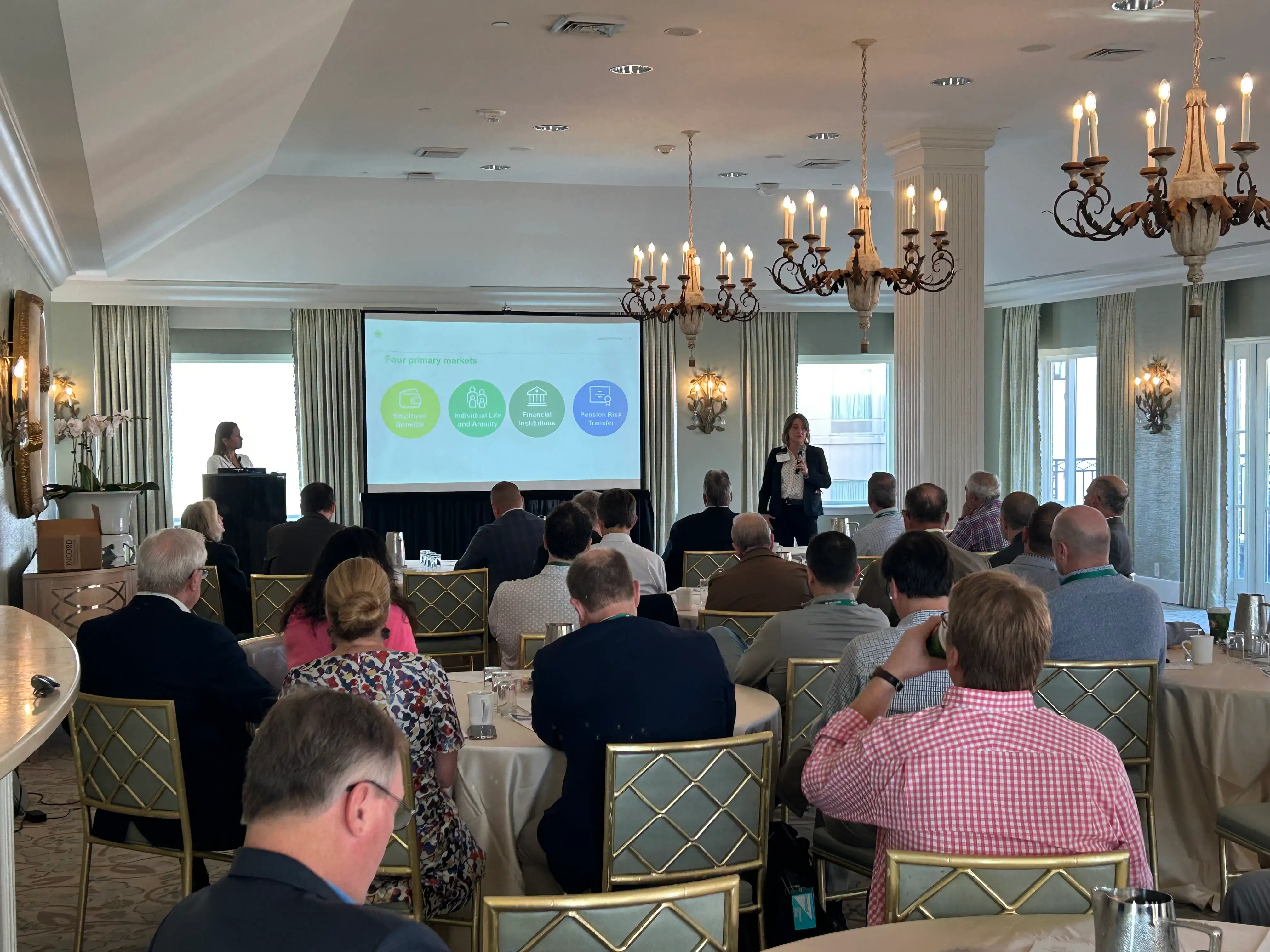
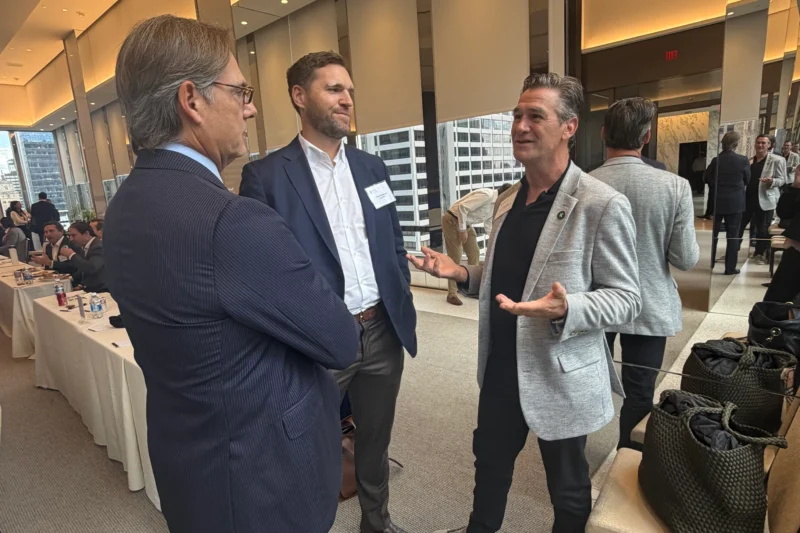
From November 1–3, 2026, we are returning to our spiritual home at the Hotel Monteleone in New Orleans. This isn't just another industry conference where you sit in a windowless ballroom and trade business cards over lukewarm coffee. This is an exclusive gathering designed for top-tier advisors who are serious about Restoring Alignment and Retention.

Why New Orleans? Why Now?


There is a reason we keep coming back to the French Quarter. Beyond the history and the atmosphere, New Orleans represents a blend of tradition and innovation: much like the strategies we discuss.

What keeps you up at night? For many of our attendees, it’s the "What Ifs" that haunt the boardroom.

  • What if your top talent leaves for a competitor tomorrow?

  • What if a senior executive retires and the replacement cost exceeds your projections?

  • What if a sudden tragedy leaves the business dealing with a widow or a complex succession crisis?


These aren't just hypothetical anxieties; they are the fault lines that can crack a bank’s foundation. At the 2026 IBC Study Group, we don’t just identify these problems; we build the solutions. We focus on the mechanics of Bank-Owned Life Insurance (BOLI) and Corporate-Owned Life Insurance (COLI) not as mere products, but as the engine for The Perfect Plan®.

The Technical Heart: BOLI and Beyond


While the surroundings are legendary, the core of this study group is deeply technical. We dive into the weeds of cost-recovery strategies and the nuances of Bank-Owned Life Insurance (BOLI).

In today’s volatile market, banks are looking for ways to offset the rising costs of employee benefits without taking on undue risk. BOLI remains one of the most effective tools for institutional capital management, offering tax-deferred growth and tax-free death benefits that can be used to fund non-qualified deferred compensation (NQDC) plans or supplemental executive retirement plans (SERPs).

Our sessions will cover:

  • Advanced Cost-Recovery Models: How to structure BOLI to ensure that the bank is made whole for the costs of executive benefits.

  • Executive Retention Strategies: Moving beyond standard bonuses to create "Golden Handcuffs" that actually work.

  • Regulatory Compliance: Navigating the latest updates to ensuring your plans remain "Gospel-compliant" with current tax and banking laws.

  • Succession Planning: Solving the "Business with a Widow" scenario through structured buy-sell arrangements and key-person coverage.


We understand that you are navigating an unstable financial environment. You need a guide who has been through the cycles. Our team at Schiff Executive Benefits acts as that guide, helping you realize your institution’s dream value while protecting your most valuable assets: your people.

Food, Fun, and Friendship: The Monday Night Highlight


We have always believed that the best business happens when the formal ties are loosened. The IBC Study Group has built a reputation on the "Three Fs": Food, Fun, and Friendship. This year, we are taking that to a new level.

On Monday night, we are hosting a Mardi Gras Theme Jazz Reception and Dinner in the brand-new Courtyard at the Hotel Monteleone. Imagine the sound of a brass band echoing off the brick walls, the scent of authentic Creole cuisine in the air, and the chance to network with the brightest minds in the industry in a setting that is uniquely New Orleans.

This isn't just a dinner; it’s an experience designed to foster the kind of deep professional relationships that last decades. It’s where the real "Study Group" happens: sharing stories of what worked, what didn't, and how we are all navigating the complexities of the modern financial world.

Is This Group Right for You?


The IBC Study Group is an exclusive circle. We intentionally keep the numbers focused to ensure that every participant can engage in the high-level dialogue that makes this meeting so valuable.

If you are an advisor who deals with:

  • Institutional BOLI portfolios.

  • Corporate-Owned Life Insurance (COLI) for non-bank entities.

  • Executive benefit plan design and 409A compliance.

  • ESOPs and partnership buy-outs.


...then you belong in the room. This is your opportunity to step away from the day-to-day grind and look at the big picture. Are you building a legacy, or just managing a spreadsheet? Are you offering your clients The Perfect Plan®, or just a standard off-the-shelf solution?

Secure Your Spot


The 2025 Study Group was a complete sell-out, and we expect 2026 to follow suit. The combination of the Monteleone’s charm, the technical depth of our sessions, and the new Monday night Jazz Reception makes this a "must-attend" event on the calendar.

Don't let the "What Ifs" stay unanswered.

  • What if you miss out on the specific tax-efficiency strategies that could save your client millions?

  • What if your competitors are in New Orleans while you’re at your desk?


Registration is now live for the meeting, and hotel reservations are now available through the Hotel Monteleone room block. Important: meeting registration does not cover your hotel booking. They are separate, and you will need to complete both.

Meeting Registration: Register for the 2026 IBC Study Group Here

Hotel Reservation Link: Book your room at Hotel Monteleone

Block Code: IBC30J

If you prefer to call in your reservation, contact 504-523-3341 or 800-535-9595 between 9:00 a.m. and 5:00 p.m. CDT and reference the block code IBC30J.

Sit back, grab your coffee, and mark your calendar. We are heading back to the Big Easy to restore alignment, ensure retention, and celebrate the profession we love.

We can't wait to see you in the Courtyard.


Schiff Executive Benefits is dedicated to helping businesses and banks navigate the complexities of executive retention and cost recovery. Through The Perfect Plan®, we provide the security and guarantees needed in an uncertain world.

For more information on our services or to view our latest insights, visit our posts feed.


They say that to know where you are going, you first have to know where you came from. In the world of executive benefits and financial architecture, many people lead with spreadsheets, tax codes, and actuarial tables. But if you sit down with me for more than five minutes, you’ll realize that while I live and breathe the technicalities of IRC 409A and the complexities of deferred compensation, my "why" isn’t found in a ledger. It’s found in a legacy.


I’ve always viewed myself as an architect. Not of buildings, but of security. This mindset wasn’t something I picked up in a textbook; it was woven into the fabric of my life long before I founded Schiff Executive Benefits. It’s a mindset rooted in family, a passion for protection, and a deep respect for the hard work required to build a business that lasts.


The Multi-Generational Foundation


My journey in this industry isn’t just a career path; it’s a family tradition. Between my parents and myself, we represent nearly 150 years of collective experience in the financial services and insurance world.


Growing up, I watched my parents, Jayne and Bud Schiff, navigate the complexities of this business with a single-minded focus: taking care of people. They didn’t see clients as policy numbers; they saw them as families and businesses whose futures depended on the quality of our advice. That sense of responsibility stayed with me. It’s why I don’t just "sell" a plan: I architect a solution.


Jayne and Bud built more than a career legacy. They built a standard. Their example taught me that when you help protect a family, a business, or a future, you are doing deeply personal work. That legacy still shapes the way I serve clients today.


Today, that legacy continues with the unwavering support of my wife, Nancy, our CMO, The Ridgeback Group, our support team, and family legacy in our five children (Courtney and Jason, Alex, Ty, and Gavin).  They are the daily reminder that every decision has a human side. When we talk about protecting a business, we are really talking about protecting the people behind it and the families counting on them.


Bud, Jayne, Nancy, and Matt


Caption: The foundation of everything we do: the Schiff family legacy, built on protection, care, and continuity across generations.


The 2006 Pivot: Building Something Better


By the mid-2000s, I had achieved what many would consider the pinnacle of corporate success. As a Managing Director at NYLEX Benefits, I had helped grow a team from five to thirty-five people and was deeply entrenched in the high-level world of Executive benefits, Bank Owned Life Insurance (BOLI) and other corporate-owned strategies.


But I felt a pull toward something more personal, as well as a work/life balance. I wanted to build a firm where technical innovation met human-centric service: where we could be nimble enough to solve the most complex executive retention issues while remaining deeply connected to our clients' personal missions, and still be connected to my family. 


In May of 2006, I made the leap and founded Schiff Benefits Group. It was a pivotal moment. I wasn't just starting a company; I was creating a platform to implement the strategies that would eventually evolve into The Perfect Plan®.


Looking back, the timing was critical. The world was about to face the 2008 financial crisis, and the regulatory environment was shifting rapidly. My experience in the "big corporate" world gave me the technical expertise to navigate IRC 409A and other compliance minefields, but it was my passion for individual business owners that drove the firm forward.


Matt Schiff - Grand Staircase Wisdom Inscription


A Passion Beyond the Spreadsheets


If you follow me on social media or listen to The Perfect Plan® Podcast, you know that my life isn't just about Corporate Owned Life Insurance (COLI) and ESOPs.


I am a lover of music, particularly the soulful, grounded sounds of "The Immediate Family." There is a rhythm to great music, a harmony where every instrument must be in sync to create a masterpiece. I see business planning the same way. If your estate plan isn't in harmony with your buy/sell agreement, or if your deferred compensation plan isn't aligned with your retention goals, the "music" of your business falls flat.


Matt Schiff at the Helm


Away from work, I stay busy with a few lifelong passions that have always kept me grounded: sailing, soccer, and golf. Sailing has long been a personal passion of mine. It teaches patience, awareness, adjustment, and respect for conditions you cannot control. Soccer brings energy, teamwork, and constant movement. Golf demands discipline, focus, and humility. Different games. Same lesson. You need a plan, and you need to stay aligned when conditions change.


Matt Schiff and soccer team


Caption: Fifteen years of friendship, teamwork, and shared passion for the game, reflecting Matt’s lifelong love of soccer and the bonds he builds along the way.


My goal is to bring that harmony to your professional and personal life. I want to help you solve what I call the "5 What Ifs" that keep business owners awake at night:


  1. What if you end up in business with a widow or widower? (Succession planning)

  2. What if a business buy-out is forced upon you at the worst time?

  3. What if your top talent walks across the street to a competitor?

  4. What if the cost of replacing a senior executive breaks the bank?

  5. What if you run out of money in retirement because you were too busy building the business?


Restoring alignment and retention isn't just our tagline; it's the rhythm we live by. We solve these "What Ifs" through technical mastery, but we frame them through the lens of protection for the families and legacies depending on you.


The Architect and The Perfect Plan®


When I call myself the "Architect of The Perfect Plan®," it’s not because I believe in a one-size-fits-all solution. Quite the opposite. Every architect knows that while the laws of physics (or tax codes) remain constant, the house must be built for the family living inside it.


The Perfect Plan® is a philosophy. It is a commitment to ensuring that every piece of your executive benefits package: from Executive Deferral Plans to Split Dollar arrangements to estate planning: is working toward a singular goal: your security.


We explore these concepts in depth on The Perfect Plan® Podcast, where we bridge the gap between technical strategies and real-world application. Whether we are discussing portable peace of mind or the nuances of business succession, the focus is always on the human element.


Matt Schiff - Podcast Setup


Why Experience Matters Now More Than Ever


We are currently navigating an era of "The 63% Exit Wave," where a massive generation of business owners is looking toward the horizon. At the same time, tax laws are in flux, and the competition for talent is fiercer than ever.


In this "unstable" environment, you don't just need a consultant; you need a guide who has seen the cycles before. Having been in this seat since 1992, and having lead Schiff Executive Benefits through two decades of economic shifts, I’ve learned that the best defense is a well-architected offense.


Whether we are working with a closely held family business on family wealth transfer and executive retention, a community bank on BOLI strategies or a global corporation on restoring executive alignment, the mission remains the same: Aligning a plan that fits the culture and legacy of the company tax efficiently, as well as is flexible for future needs.


Come Join Us


I often tell my clients to "sit back and grab your coffee" because these conversations shouldn't be stressful: they should be empowering. When you have a plan that addresses the technical "haunts" of the past and the "what ifs" of the future, you gain the freedom to focus on what you love: whether that’s growing your company, sailing, playing soccer or golf, or spending time with family.


My family legacy is one of protection. I’d love to help you secure yours.


If you’re ready to see how the "Architect" mindset can transform your business, I invite you to explore our latest insights or join the conversation over on The Perfect Plan® Podcast.


Let’s build something that lasts, together.


Matthew E. Schiff, CLU, ChFC, WMCP
President, Schiff Executive Benefits


Change is the only constant in life, yet we spend the majority of our professional careers trying to build a fortress of stability. We work late, we climb the ladder, and we take comfort in the "benefits package" listed in our employment contracts. But here is an undeniable truth that many executives realize too late: If you don't own it, you don't control it.


Most corporate benefits aren't actually yours. They are "leased" from your employer. And just like a leased car or a rented apartment, those benefits can be taken back the moment the lease is up, whether that’s through a job change, a layoff, or your eventual retirement.


At Schiff Executive Benefits, as we celebrate our 20th anniversary of Restoring Alignment and Retention, we’ve seen too many high-performers discover that their family’s financial safety net was tied to a desk they no longer sit at. If your peace of mind is contingent on your current HR department, you don't have peace of mind. You have a temporary arrangement.


The Illusion of the Corporate Safety Net


Let’s be real: when you look at your total compensation, the "group" benefits, life insurance, disability, and health coverage, look great on paper. They are often low-cost or even "free" to you. But in the world of high-stakes financial planning, free can be the most expensive price you’ll ever pay.


The problem with "leased" benefits is the lack of portability. We call these "weakest links" because they fail exactly when you need them most. Think about the Executive Sandwich: that decade where you are at your career peak, but also the "riskiest" decade for your family. You’re supporting aging parents and children’s tuition, all while maintaining a lifestyle that requires a high, steady income.


![Portable executive benefits and family security illustration]


What happens if you leave that role?


  • Your Group Term Life Insurance: Usually vanishes or offers a "conversion" option that is so prohibitively expensive it’s practically useless.

  • Your Group Disability: Gone. And if your health has changed during your tenure, you may find yourself uninsurable on the private market.

  • Your Retirement Gap: You might be hitting the 401(k) cap, leaving a massive void between your current lifestyle and what your "leased" plan will actually provide.


The Five "What Ifs" of Executive Security


In our two decades of consulting, we’ve narrowed the risks down to five core "What If" questions. If you can’t answer these with a definitive "I’m covered regardless of my employer," then your plan is in jeopardy.


  1. What if there’s a business buyout? If your company is sold, the new owners may not value the same benefit structures. Your "leased" security could disappear overnight in a merger.

  2. What if you are the top talent leaving? Whether you’re moving to a competitor or starting your own firm, you shouldn’t have to leave your family’s protection behind.

  3. What if you run out of money in retirement? Most leased benefits end at age 65. If you live to 95, who is covering the risk for those final 30 years?

  4. What if your successor costs more than expected? For the business owner, not having portable, owned benefits (like COLI) means the cost of replacing talent can skyrocket.

  5. What if you have to deal with a widow/widower (succession)? Without portable, owned life insurance structures like TOLI (Trust Owned Life Insurance), the transition of a business can be catastrophic for the surviving family.


Moving from "Leased" to "Owned" with The Perfect Plan®


![The five what-ifs of executive security planning]


So, how do we move from the fragility of "leased" benefits to the "Portable Peace of Mind" that ownership provides? It starts with a shift in philosophy. You need to treat your executive benefits with the same rigor you apply to your personal investment portfolio.


This is where The Perfect Plan® comes into play.


The Perfect Plan® isn't a single product; it’s a strategic framework designed to align the interests of the corporation and the executive. By utilizing structures like Corporate Owned Life Insurance (COLI) and Non-Qualified Deferred Compensation (NQDC), we can create benefits that are:


  • Portable: They stay with you, providing a continuous "security blanket" regardless of your employment status.

  • Tax-Efficient: They leverage the power of tax-deferred growth to solve the retirement gap created by 401(k) limits.

  • Discriminatory (In a good way): Unlike group plans, these can be customized specifically for the key leaders who drive the company’s success.


When we design The Perfect Plan®, we look at the "What Ifs" and solve them one by one. We ensure that the death benefit is there to protect your family, the cash value is there to supplement your retirement, and the disability coverage is own-occupation and portable.


The Corporate Perspective: Alignment and Retention


If you are a business owner or a board member, you might be wondering: "Why would I want my executives’ benefits to be portable? Doesn’t that make it easier for them to leave?"


It’s a fair question. But the reality is the opposite. Our tagline, Restoring Alignment and Retention exists because we know that top talent stays where they feel truly secure and valued.


When you provide a "leased" benefit, the executive knows it’s a temporary hook. When you facilitate "ownership" through a properly structured executive benefit plan, you are providing a sophisticated wealth-building tool that demonstrates a long-term commitment to that leader’s family. You aren't just giving them a job; you are helping them build a legacy.


Furthermore, using COLI (Corporate Owned Life Insurance) to fund these obligations allows the corporation to recover the costs of the benefits over time. It’s a win-win that "leased" group plans simply cannot match.


![Corporate alignment retention and family security meeting]


Why Now? The Point of No Return


We are currently in a shifting economic landscape. National debt is rising, tax laws are perpetually on the chopping block, and the "war for talent" has never been more intense.


If you wait until you are 60 to realize your life insurance is "leased," you may find that your health or the sheer cost of private coverage makes it impossible to pivot. There is a "point of no return" in financial planning where the math simply stops working in your favor.


Don't let your family’s security be the weakest link in your professional life. You’ve worked too hard to leave your peace of mind in someone else's hands.


Join the Conversation


As we celebrate 20 years at Schiff Executive Benefits, we invite you to take a closer look at what you actually own. Are your benefits a permanent foundation, or are they just a temporary arrangement?


Sit back, grab your coffee, and think about the five "What Ifs." If the answers make you a little uneasy, it’s time to start a different conversation. You can explore our video library to see how these strategies work in practice, or browse our latest insights to stay ahead of the curve.


Your career is about more than just a paycheck; it’s about the legacy you leave for those you love. Make sure that legacy is built on ownership, not a lease.


Come join us, and let’s build The Perfect Plan® for your future.


The only thing more certain than change itself is the uncertainty of how long we will actually need our money to last.


For the better part of forty years, you’ve likely been a world-class accumulator. You’ve watched the markets, maximized your contributions, and built a nest egg designed to stand the test of time. But eventually, the clock strikes a different hour. The game changes from "how much can I grow?" to "how much can I safely spend?"


It’s the transition from the climb to the descent, and as any seasoned mountaineer will tell you, the descent is where most accidents happen. In the world of executive benefits and private wealth, we call this transition "Retirement Paycheck Design."


At Schiff Executive Benefits, as we celebrate our 20th anniversary of Restoring Alignment and Retention, we’ve found that the biggest anxiety keeping high-achieving leaders up at night isn't just market volatility, it’s the "What If" questions. Specifically: What if I run out of money before I run out of time?


The Psychological Shift: From Harvest to Table


There is a profound psychological hurdle in moving from a steady salary to a manufactured paycheck. When you are the one signing the checks for a corporation or a partnership, you understand cash flow. But when the business is no longer the primary engine of your personal wealth, where does the first dollar come from?


The Perfect Plan® isn't just about having the money; it’s about the sequence of how you access it. If you pull from the wrong bucket at the wrong time, you’re not just spending your money, you’re spending your future’s ability to generate more of it.


The Hierarchy of Income: Where to Start?


Think of your retirement income as a tiered fountain. You want to drink from the overflow before you start dipping into the reservoir. To design a sustainable retirement paycheck, we look at a three-layer approach.


1. The Foundation: Predictable and Guaranteed Income


The first layer of your paycheck should always come from sources that are "set and forget." These are the stabilizers of your lifestyle.


  • Social Security: While often a smaller portion of an executive’s total cash flow, it remains the bedrock of inflation-indexed, guaranteed-for-life income.

  • Pensions: If you are among the few who still hold a traditional defined benefit plan, this is your primary engine.

  • Required Minimum Distributions (RMDs): Uncle Sam eventually demands his cut. Since you must take this money from your traditional IRAs or 401(k)s, it should be the first discretionary bucket you empty.


Professional at a marble-topped desk with a gold-nibbed pen and crisp document in sharp focus


2. The Yield: Living on the "Golden Eggs"


The ideal retirement paycheck stays within the income generated by your portfolio to preserve the principal. As the old saying goes, you want to live on the golden eggs without having to kill the goose.


  • Dividends and Interest: High-quality bond ladders and dividend-paying stocks provide a natural "overflow" that doesn't require selling shares during a market downturn.

  • Corporate Owned Life Insurance (COLI) & NQDC: For the executive who has utilized Non-Qualified Deferred Compensation (NQDC), these distributions can be timed to bridge the gap between early retirement and the start of RMDs.


Sunlit private garden with lush manicured greenery and a feeling of abundance


3. The Reserve: Strategic Principal Drawdown


Only after exhausting the foundation and the yield should you look toward selling assets. This is where most people get into trouble. Selling during a "down" year in the market can create a "sequence of returns" risk that is nearly impossible to recover from.


The "What If" Scenarios for the Corporate Leader


As part of our April “5 What Ifs” campaign, we are diving deep into the questions that define a legacy. When we talk about retirement paycheck design, two of our core "What If" questions take center stage:


What if you run out of retirement money?
This is the ultimate fear. By utilizing The Perfect Plan®, we look at tax-advantaged vehicles like COLI and Split Dollar arrangements that provide a "buffer" asset. If the market is down, you don't sell your stocks; you take a tax-free loan or distribution from a cash-value policy to fund that year’s paycheck. This allows your equity portfolio the time it needs to recover.


What if a senior executive retires and you haven't planned for the replacement cost?
From the perspective of the company, retirement paycheck design isn't just for the individual; it’s a corporate liability. How are you funding the promises made to your top talent? If you haven't used cost-recovery strategies like COLI, the "paycheck" you owe a retiring partner could put a massive strain on the company’s current cash flow.


Attracting and Rewarding Talent Through Design


Retirement paycheck design isn't just a "end of career" conversation. It’s a recruitment tool. When you are looking to attract the next generation of leaders to your corporation or partnership, showing them The Perfect Plan® that includes supplemental executive retirement plans (SERPs) is a game-changer.


You aren't just offering them a high salary today; you are offering them a designed, tax-efficient exit strategy for tomorrow. This is how you bridge the Executive College Funding Gap and ensure that their "peak career years" aren't also their "riskiest financial decade."


The Strategic Order of Operations


So, where should your income come from first? The answer is: The source that is most "tax-perishable" or legally mandated.


  1. Mandated Income: RMDs and Social Security.

  2. Tax-Heavy Income: Distributions from fully taxable deferred compensation plans.

  3. Tax-Advantaged Income: Tax-free distributions from COLI or Roth accounts.

  4. Portfolio Yield: Interest and dividends.

  5. Principal: Last resort.


By following this order, you maximize the "shelf life" of your most productive assets. You allow your growth-oriented investments to stay in the market longer, compounding over time, while you live off the structures specifically designed for distribution.


Professional hand using a glowing digital interface with connected nodes and a clean flow chart


Restoring Alignment and Retention


At Schiff Executive Benefits, we believe that a paycheck is more than just a deposit in a bank account: it’s a reflection of a life’s work. Whether you are a business owner looking at your own "What If" scenarios or a CEO trying to solve the Executive Sandwich problem for your team, the design matters.


Designing The Perfect Plan® requires a team of advisors who understand that your needs as an executive are different than the average employee. You have higher tax stakes, more complex regulatory hurdles (like 409A compliance), and a much smaller margin for error when it comes to "replacement cost efficiency."


Come Join Us


Are you confident in the sequence of your future retirement paycheck? Or are you worried that a single market correction could force you to "kill the goose"?


Take a moment to sit back, grab your coffee, and think about your own "What Ifs." We’ve spent the last 20 years helping leaders like you navigate these unstable financial environments with authority and empathy.


If you’re ready to move beyond the standard 401(k) and start building a paycheck design that actually works when you need it most, we invite you to explore our video library or browse our latest insights.


Let’s ensure your legacy is one of security, not uncertainty.


Warmly,


Matt Schiff
President, Schiff Executive Benefits


Time has a funny way of making the urgent feel ancient. In the world of executive benefits, the year 2008 usually conjures up memories of market volatility and the Great Recession. But for those of us in the trenches of financial consulting, 2008 represents a different kind of milestone: the final deadline for Section 409A compliance.


It is often said that the greatest threat to a well-laid plan is not a sudden storm, but a slow, quiet drift. We see it every day at Schiff Executive Benefits. A plan that was perfectly calibrated eighteen years ago is now operating on autopilot, while the business it serves has changed completely.


If you are a CEO, a CFO, or a business owner, you likely remember the scramble of 2008. You worked with your lawyers and consultants to ensure your nonqualified deferred compensation (NQDC) plans, your severance agreements, and your stock options were all brought into "operational compliance." You signed the documents, filed them away, and got back to the business of growing your company.


But here is the universal truth that keeps many executives up at night: The IRS does not care about your good intentions. Section 409A is a strict liability regime. If your written plan says one thing and your payroll department does another, the penalties aren’t just a slap on the wrist. They are a financial catastrophe for your top talent.


The Ghost in the Machine: What is the 2008 Plan Trap?


The "2008 Plan Trap" is the widening gap between the legal language written during that compliance rush and the actual day-to-day administration of those benefits today. In 2008, companies were given a firm deadline of December 31 to amend their plans to meet 409A standards. Many did so under duress, adopting boilerplate language just to cross the finish line.


Since then, almost two decades have passed. In that time:


  • Key executives have retired or been replaced.

  • The business has likely undergone mergers, acquisitions, or restructuring.

  • Vesting schedules have been modified "on the fly" to accommodate retention needs.

  • Payment triggers have been adjusted to help an executive through a personal transition.


Every one of those "minor" adjustments, if not reflected exactly in the plan document, is a 409A violation waiting to be discovered.


Professional reviewing crisp white documents in a high-end office during a legacy audit


Why 409A Compliance Still Haunts You


You might think, "It’s been eighteen years and we haven't had an issue. Why now?"


The answer lies in the increasing sophistication of IRS audits and the standard due diligence performed during business transitions. If you are looking to sell your company or merge with a larger entity, the very first thing the buyer’s counsel will look at is your executive benefit stack. If they find a 409A violation, it can stall the deal or lead to significant holdbacks in the purchase price.


The penalties for 409A non-compliance are draconian. When a plan fails:


  1. Immediate Taxation: All amounts deferred under the plan (and all similar plans) become immediately taxable to the executive, even if they haven't received a dime.

  2. The 20% Penalty: A flat 20% additional federal income tax is applied to the deferred amount.

  3. Premium Interest: An interest penalty is assessed based on when the money should have been taxed.

  4. State Penalties: In many states, like California, additional state taxes (often 5%) are piled on top.


For a top executive with a seven-figure deferral balance, a 409A error can result in a tax bill that wipes out over half of their benefit. Imagine explaining to your most valued leader that the "reward" you promised them is now a liability because of a paperwork mismatch from 2008.


Dark financial dashboard with charts and a subtle red alert indicator representing compliance risk awareness


Restoring Alignment and Retention


At Schiff Executive Benefits, we focus on Restoring Alignment and Retention. We believe that executive benefits should be a source of security, not a source of anxiety. This is why we developed The Perfect Plan®.


The Perfect Plan® is our proprietary approach to ensuring that your benefits aren't just compliant on paper, but are actually performing the way you intended. Whether you are dealing with deferred compensation, Corporate Owned Life Insurance (COLI), or Split Dollar arrangements, the goal is the same: absolute clarity.


When was the last time you asked yourself the "5 What Ifs" that anchor a legacy?


  1. What if you had to do business with your partner's widow? (Succession)

  2. What if you needed to buy out a partner unexpectedly?

  3. What if your top talent left for a competitor tomorrow?

  4. What if a senior executive retired and the replacement cost was double what you expected?

  5. What if you or your executives ran out of money in retirement because of tax-inefficient planning?


The 2008 Plan Trap directly impacts question number three and four. If your 409A compliance is compromised, your ability to retain top talent vanishes the moment they realize their "golden handcuffs" are actually a tax time bomb.


Beyond the Bank: 409A for Corporations and Partnerships


While many associate high-level benefit consulting with the banking industry, these traps are just as prevalent: if not more so: in general corporations and partnerships. Whether you are managing an ESOP or navigating buy/sell arrangements, the administrative drift is a universal threat.


We often see this in Corporate Owned Life Insurance (COLI) structures. COLI is an incredible tool for financing executive benefits and providing a tax-efficient recovery of costs. However, if the underlying plan it funds: the NQDC: is out of sync with 409A, the COLI asset becomes a mismatch for a broken liability.


Close-up of polished steel gears representing linked systems between COLI and NQDC


As we celebrate our 20th anniversary at Schiff Executive Benefits, we’ve looked back at thousands of plans. The most successful ones aren't the ones with the most complex formulas; they are the ones that have been consistently reviewed, audited, and aligned with the current goals of the leadership team.


How to Escape the Trap


If your plan documents haven't been reviewed since the late 2000s, you are likely sitting on a compliance ghost. Here is how we suggest you approach the "security check":


  1. Audit the "Actuals": Don't just read the plan document. Look at the last three years of payroll records for your deferred compensation. Do the payment dates match the document? Does the vesting match the ledger?

  2. Review the Definition of "Separation from Service": This is one of the most common 409A triggers. If an executive "retires" but stays on as a consultant, they may have technically separated from service. If the plan didn't pay out, or if it paid out when it shouldn't have, you have a violation.

  3. Check Your COLI Alignment: If you are using COLI to fund these benefits, ensure the policy performance is still tracking with the growth of the liabilities. Market shifts since 2008 have been significant.

  4. Modernize with The Perfect Plan®: Use a structured framework to bring all your executive benefits: including estate planning and succession strategies: into a single, cohesive narrative.


The Point of No Return


There is a "point of no return" in 409A compliance. Once an audit begins or a transaction is underway, your ability to "fix" a mistake without incurring penalties is almost non-existent. The IRS does offer correction programs (like Notice 2008-113), but they are only available if you find the error before they do.


Why leave the legacy of your business to chance? Why let a paperwork error from nearly twenty years ago threaten the financial security of the people who helped you build your company?


We invite you to take a breath and look at your benefits through a fresh lens. Executive benefits shouldn't be a "trap." They should be the foundation of your employee retention strategy and a cornerstone of your professional legacy.


If you’re wondering if your current plan is still The Perfect Plan® for your business in 2026, let's talk. Sit back, grab your coffee, and let’s walk through the "What Ifs" together. We’re here to help you navigate the complexities of the modern financial environment with the authority and empathy that twenty years of experience provides.


Come join us in ensuring your executive benefits are a guarantee of your future, not a haunting from your past.


For more insights into executive retention and tax-efficient planning, visit our services page or explore our latest posts at Posts.


They say that every entrepreneur’s journey begins with a dream and ends with a transaction. It is a universal truth of the business world: you will eventually leave the company you’ve spent your life building. The only real questions are when, how, and for how much.


Right now, we are witnessing a historic shift in the American business landscape. Recent data indicates that approximately 63% of U.S. business owners plan to exit their companies within the next few years. This isn’t just a statistical blip; it’s a "Silver Tsunami" combined with a post-pandemic re-evaluation of what really matters.


As the President of Schiff Executive Benefits, I’ve sat across the table from hundreds of owners. I’ve seen the pride in their eyes when they talk about their growth, but I’ve also seen the "Business Owner's Dilemma" written all over their faces. It’s the tension between wanting to maximize the value of your life’s work and the fear of what happens the day after the keys are handed over.


The Great Exit: More Than Just a Number


Why is this 63% wave happening now? It’s a perfect storm of factors. We have a generation of Baby Boomers reaching retirement age, high company valuations that are hard to ignore, and a lingering sense of economic uncertainty that makes "cashing in" look like the safest harbor available.


But here is the dilemma: most owners are financially ready to sell, but they aren't strategically or emotionally prepared for the exit. They find themselves caught in a timing paradox. You want to sell when the business is thriving, but that’s exactly when you feel the most attached to it. Conversely, if you wait until you’re burnt out, the value of the business often drops because your exhaustion has seeped into the operations.


At Schiff Executive Benefits, we focus on Restoring Alignment and Retention. Before you can ride the exit wave, you have to ensure your ship is watertight.


![Legacy handover between two professionals in a sunlit office after a successful transaction


The Five "What Ifs" of Succession


When I talk to owners about their legacy, I always bring it back to five central questions. These aren't just technical hurdles; they are the "What Ifs" that keep you up at night.


  1. What if you end up in business with a widow? If your partner passes away without a clear, funded buy-sell agreement, you might find yourself making board-room decisions with their grieving spouse.

  2. What if you need a business buy-out tomorrow? Is the liquidity there? Or is all your wealth trapped in the brick-and-mortar of your facility?

  3. What if your top talent leaves? If your "Key People" see an exit on the horizon, they might jump ship for a more "stable" long-term gig, taking your company's value with them.

  4. What if the cost of replacing a senior executive becomes prohibitive? As you prepare to exit, you need a leadership team that stays put.

  5. What if you run out of money in retirement? The sale price looks big on paper, but after taxes and twenty years of inflation, does it support the lifestyle you’ve earned?


The Owner Dependency Trap


One of the biggest obstacles to a successful exit is "Owner Dependency." If the business can't run without you, you haven't built a company; you've built a very high-paying, high-stress job.


Buyers don't pay top dollar for jobs; they pay for systems. They pay for a team that stays after the founder leaves. This is where strategic executive benefits become a value-multiplier. By implementing Corporate Owned Life Insurance (COLI) or structured Non-Qualified Deferred Compensation (NQDC) plans, you "golden handcuff" your key management team. You ensure that the institutional knowledge stays in the building long after you’ve headed to the mountains.


![Professional observing balanced glass structures and clockwork-like systems representing institutional strength


Bridging the Gap with The Perfect Plan®


Navigating the 63% wave requires more than just a good broker; it requires a comprehensive architecture for your financial future. We call this The Perfect Plan®.


The Perfect Plan® isn't a static product; it’s a consultative process designed to harmonize your business goals with your personal "Return on Life." When we work with corporations and partnerships, we look at the full spectrum of tools available:


  • COLI (Corporate Owned Life Insurance): A powerful way to fund future liabilities and provide tax-advantaged growth.

  • Executive Split Dollar: A way to reward top brass while maintaining corporate control over the assets.

  • ESOPs (Employee Stock Ownership Plans): For the owner who wants to preserve their legacy and reward the employees who helped build it.

  • Buy/Sell Funding: Ensuring that if the "What Ifs" happen, the money is there to handle it smoothly.


Why Retention is the Ultimate Exit Strategy


I often tell my clients that the best time to plan your exit was ten years ago. The second best time is today. If you are part of the 63% looking toward the horizon, your primary focus should be on the people you leave behind.


If your top executives feel like they are just "cogs in a machine" being sold to the highest bidder, they will leave. If they feel like they have a vested interest in the future success of the firm: through deferred compensation or meaningful retention strategies: the valuation of your business stays high.


A stable team represents a lower risk to a buyer. Lower risk equals a higher multiple. It’s that simple.


Your Return on Life Experience


After decades of spreadsheets, HR headaches, and market volatility, you deserve to enjoy the view without worrying about whether the check will clear or if the business is crumbling in your absence.


![Professional relaxing on a balcony overlooking a serene lake, symbolizing peace of mind after a successful exit


But achieving that serenity requires a shift in mindset. You have to move from being the "Operator" to being the "Architect."


As we celebrate our 20th anniversary at Schiff Executive Benefits, we’ve seen market cycles come and go. We’ve seen "can't miss" opportunities evaporate and "unstable" environments become the forge for the next great American companies. Through it all, the owners who win are the ones who plan for the inevitable.


Taking the Next Step


The 63% Exit Wave is coming. You can either be tossed around by the surf, or you can ride the wave to the shore you’ve always dreamed of.


Are you prepared for the "What Ifs"? Is your management team anchored to the ship? Does your current strategy qualify as The Perfect Plan®?


If you’re feeling the weight of the Business Owner’s Dilemma, don't navigate these waters alone. Transitioning out of your business is likely the most significant financial event of your life. It deserves the same level of precision and care you used to build the company in the first place.


Sit back, grab your coffee, and think about your legacy. If you’re ready to start exploring what The Perfect Plan® looks like for your specific situation, we’re here to help.


Come join us. Let’s make sure your exit isn't just a transaction, but a transformation into the next great chapter of your life.


For more insights on protecting your peak earning years and securing your family's future, you might find our article on The Executive Sandwich helpful.


You’ve built something incredible. Now, let’s make sure you get to keep it.


To learn more about our specialized services for corporations and executive teams, visit our services overview or browse our latest insights.


They say that time is the only currency you can’t earn back, but for the modern executive, time is often the very thing you are forced to spend the most of when you can least afford it.


If you’ve been following our series, you know we’ve been dissecting the "Executive Sandwich": that high-pressure decade where your career peak directly intersects with your family’s most expensive and emotionally draining years. In Part 1, we looked at the overall risk of this decade. In Part 2, we tackled the staggering costs of college funding.


Now, we arrive at the most sensitive, unpredictable, and potentially devastating layer of the sandwich: caring for aging parents.


At Schiff Executive Benefits, we often talk about Restoring Alignment and Retention. Usually, that refers to the relationship between a corporation and its key talent. But today, we’re talking about a different kind of alignment: the alignment between your professional success and your personal legacy. How do you honor the people who raised you without dismantling the financial future you’ve spent thirty years building?


The Universal Truth of the Reverse Roles


There is an undeniable truth in life: We are all our parents’ children until the day we are forced to become their parents.


It starts with a forgotten set of keys or a missed doctor’s appointment. Then, it scales to specialized memory care, round-the-clock nursing, or a complete overhaul of their living situation. For the high-achieving executive, the instinct is to solve the problem with the same intensity you use to close a merger or hit an EBITDA target. You want the best care, the best facility, and the best medical team.


But the costs of "the best" are astronomical. According to Genworth’s Cost of Care Survey, the median cost for a private room in a nursing home is now well over $100,000 a year in many regions: and that’s today’s price, not the price ten years from now.


What keeps you up at night? For many of our clients, it’s the fifth of our core “What If” questions: What if I run out of retirement money because I’m funding three generations of my family at once?


![A professional adult gently talks with an elderly parent in a warm living environment]


The Silent Legacy Drain


When an executive steps in to cover the gaps in a parent’s care, they rarely do it out of a specific budget. They do it out of cash flow, or worse, out of retirement assets.


This creates a "triple-threat" to your legacy:


  1. The Out-of-Pocket Cost: Direct payments for home health aides or facility fees.

  2. The Opportunity Cost: Money pulled from the market during your highest-earning years, losing out on compound growth.

  3. The Time Cost: The "Executive Sandwich" doesn't just eat your money; it eats your focus. When you are managing a parent’s crisis, you aren't focused on the strategic moves that define your career legacy.


![A successful executive reviews legacy and care planning at home]


Why Traditional Planning Often Fails the Sandwich Generation


Most financial plans are built on "linear" assumptions. They assume you’ll work until 65, your kids will graduate at 22, and your expenses will slowly decline. They don't account for the "Sandwich" spike.


We see it all the time: an executive has a solid 401(k) and a nice brokerage account, but they are hit with a $15,000-a-month memory care bill for a parent who didn't have long-term care insurance. Suddenly, The Perfect Plan® they thought they had starts to leak.


This is where we shift the conversation from simple "savings" to "structured benefits." At Schiff Executive Benefits, we use The Perfect Plan® to help executives and business owners create a "moat" around their personal wealth.


The goal isn't just to have money; it’s to have the right kind of money available at the right time.


Strategic Solutions: Beyond the Personal Checkbook


If you are a business owner or a key executive, you have access to tools that the general public does not. Caring for your parents shouldn't mean draining your 401(k).


1. The Power of COLI (Corporate Owned Life Insurance)


For corporations and partnerships, COLI is a powerhouse for Restoring Alignment and Retention. By utilizing COLI, a company can fund executive benefit plans that provide the liquid capital necessary for an executive to handle family crises without sacrificing their own retirement security. It’s a way to reward talent by providing the ultimate peace of mind.


2. Split Dollar Arrangements


Split Dollar arrangements can be structured to provide significant death benefits and cash value accumulation that can be accessed for various needs. If you’re worried about the "What If" of your own retirement/replacement cost efficiency, these arrangements offer a way to build wealth outside of the traditional, capped tax-qualified plans.


3. Asset-Based Long-Term Care


We often discuss TOLI (Trust Owned Life Insurance) with our clients to ensure their estate is protected. But modern life insurance policies often include "living benefits" or Long-Term Care riders. These allow you to access the death benefit while you are still alive to pay for care: whether it's for you or, in some structured cases, helping to preserve the family estate when a parent passes.


The "What If" Framework


When we sit down with a client for The Perfect Plan® consultation, we run through the stressors.


  • What if you are forced to retire early to care for a parent?

  • What if the cost of your parent’s care exceeds their entire estate?

  • What if your top talent leaves because they are overwhelmed by these exact same pressures and your company hasn't offered a solution?


Business is personal. If your top executives are distracted by the emotional and financial toll of the "Sandwich Generation," your business suffers. By implementing robust executive benefits: like NQDC (Non-Qualified Deferred Compensation) or enhanced disability and LTC platforms: you aren't just giving them a raise; you’re giving them a survival strategy.


Building Your Team of Advisors


You wouldn't navigate a complex merger without a team of experts. Why would you navigate the destruction of your family legacy without one?


Caring for aging parents requires a "Team of Advisors" approach. You need your estate attorney, your CPA, and your benefits consultant (that’s us) working in sync. We look at the technical side: the disclosure of risks and the optimization of assets: so you can focus on the human side.


![A sleek modern team of advisors meeting in a glass-walled boardroom]


The Emotional ROI


![A serene high-end garden representing the peace of a well-structured legacy plan]


The greatest benefit of The Perfect Plan® isn't the tax-deferred growth or the high-limit coverage. It’s the ability to sit in a hospital room or a new assisted living suite and be a son or a daughter, rather than a distracted CFO.


When you have the financial structure in place to handle the "Sandwich" years, you trade anxiety for agency. You can afford the care that provides dignity. You can preserve the inheritance that represents your parents’ life work. And you can do it all while keeping your own retirement goals on track.


Sit Back, Grab Your Coffee, and Let’s Talk


The Executive Sandwich doesn't have to be a period of scarcity. With the right alignment, it can be a period where you prove the strength of the legacy you’ve built.


If you’re feeling the squeeze: if you’re looking at your parents' health and your children’s tuition and wondering how the math is going to work: come join us for a conversation. We’ve spent 20 years helping executives navigate these exact waters.


Check out our video library to see how we tackle these complex scenarios, or listen to The Perfect Plan® Podcast where we dive deep into the strategies that keep your legacy intact.


Your career is at its peak. Your family needs you more than ever. Let’s make sure your financial plan is up to the task.


Stay tuned for our next update, and if you missed the previous parts of this series, you can find them all on our posts page.


Ready to restore alignment in your own plan? Contact us today.


They say the view from the top is spectacular, but they rarely mention that the wind is a whole lot stronger up there.


There is a common aphorism in the business world: "Success breeds complexity." For most executives and business owners, this isn't just a catchy phrase; it’s a daily reality. You’ve spent twenty or thirty years climbing the ladder, building a legacy, and reaching the zenith of your earning potential. By all traditional metrics, you’ve "made it."


Yet, for many in the 40-to-55-year-old demographic, this peak professional moment coincides with what we call the "Critical Convergence." It is the moment when your professional influence is at its highest, but your family’s financial and emotional security is at its most vulnerable.


Welcome to the Executive Sandwich.


The Weight of the "Critical Convergence"


The Executive Sandwich isn't just about being busy; it’s about being squeezed from both ends by the people you love most. On one side, you have children entering their most expensive years: think elite university tuitions, housing, and the "failure to launch" buffer. On the other side, you have aging parents whose health may be declining, requiring specialized care, assisted living, or significant financial oversight.


Nearly one in four adults in this age bracket is now providing financial support to both children and parents simultaneously. When you layer this on top of the high-end lifestyle costs consistent with executive status and the desperate need to maximize your own retirement contributions, the "squeeze" becomes a vice grip.


Have you ever stopped to ask yourself: What if I’m the one who runs out of retirement money because I was too busy funding everyone else’s life?


This is one of the core questions we address at Schiff Executive Benefits. In our mission of Restoring Alignment and Retention, we recognize that an executive who is financially stressed at home is an executive who cannot be fully present in the boardroom.


![Warm multigenerational family scene showing the sandwich generation squeeze]


The Financial Paradox of High Earners


It seems counterintuitive. How can someone making mid-to-high six figures (or seven figures) be at risk?


The reality is that the "401(k) Cap" creates a massive college funding gap for high earners. If you are limited in what you can put away in traditional tax-qualified plans, you are often forced to fund these "sandwich" expenses out of cash flow or after-tax savings.


When a $100,000-a-year tuition bill hits at the same time as a $10,000-a-month memory care bill for a parent, even a healthy executive salary starts to look thin. This is the decade where the "What Ifs" start to feel very real.


  1. What if you run out of retirement money? (The fear of the "wealth gap").

  2. What if top talent leaves? (The fear that you, as the engine of the business, are too burned out to lead).

  3. What if the business faces a buyout? (The fear that your personal financial "sandwich" makes you vulnerable during a transition).


The Human Toll: Burnout is a Business Liability


We can talk about the numbers all day, but we also have to talk about the person behind the desk. Research shows that 64% of "sandwich generation" professionals are at high risk for burnout. For women in the 40-54 age bracket, that number is even more staggering, with nearly half falling into the most severe burnout categories.


When an executive is struggling to balance a high-stakes career with caregiving responsibilities, the business suffers. We see it in unplanned absences, attrition, and a loss of institutional knowledge. In 2025 alone, nearly half a million women exited the US workplace due to caregiving pressures.


As a business owner, you have to ask: What is the cost of senior exec retirement or replacement efficiency? If your top people are leaving because they can't manage the "sandwich," your company is losing its most valuable asset: its human capital.


![Calm leadership reflection in a sunlit executive office or library]


Strategies for the Squeezed Executive


So, how do we fix it? How do we take an unstable financial environment and create a "security guarantee"?


At Schiff Executive Benefits, we don't believe in "one-size-fits-all" solutions. We look at the intersection of corporate health and personal legacy. For corporations and partnerships, this often involves sophisticated tools like Corporate Owned Life Insurance (COLI) and Non-Qualified Deferred Compensation (NQDC) plans.


The Power of COLI


Corporate Owned Life Insurance (COLI) is a powerful tool that allows a business to fund executive benefits while creating a tax-advantaged asset on the balance sheet. Unlike traditional plans, COLI doesn't have the same restrictive contribution limits, making it an ideal vehicle for bridging the retirement gap for those in the Executive Sandwich. It allows the company to support its mission of Restoring Alignment and Retention by providing the executive with a specialized benefit that addresses their unique family risks.


The Perfect Plan®


Everything we do is centered around The Perfect Plan®. This isn't just a catchy name; it’s our proprietary approach to ensuring that every piece of the financial puzzle fits together. Whether we are discussing buy/sell arrangements or 409A compliance, The Perfect Plan® is designed to ensure that the business can survive the "What Ifs."


For example, consider the "What If" of doing business with a widow. If a business partner passes away during their career peak: right in the middle of their family's riskiest decade: is the business prepared to buy out the heirs? Or are you about to find yourself in business with your late partner's spouse?


![Modern architectural shield protecting a home and office building as a financial security moat]


Why Now is the Point of No Return


As we celebrate our 20th Anniversary at Schiff Executive Benefits, we’ve seen how economic shifts can turn a manageable "sandwich" into a financial crisis. With the national debt rising and tax laws in a constant state of flux, the strategies that worked for the previous generation may not work for you.


You are in your peak earning years. This is the "make or break" decade for your legacy. You cannot afford to wait until the kids graduate or the inheritance clears to start planning. The "point of no return" is closer than you think.


If you are a business owner, you have a dual responsibility. You must protect your family from the "sandwich" while protecting your company from the loss of key talent who are facing the same pressures.


A Consultative Dialogue


I want you to take a second and think about what keeps you up at night. Is it the market volatility? Is it the thought of your top VP leaving for a competitor? Or is it the mounting pile of tuition bills and healthcare invoices sitting on your kitchen island?


These aren't just "personal problems." They are strategic business challenges.


When you work with a team of advisors who understand the nuances of executive benefits, you aren't just buying a policy; you are building a moat around your life's work.


Let’s Talk


The Executive Sandwich is a reality of modern success, but it doesn't have to be a recipe for disaster. By utilizing The Perfect Plan® and exploring strategies like COLI and tailored deferred compensation, you can navigate this "riskiest decade" with confidence.


You’ve worked too hard to let the "Critical Convergence" derail your future. It’s time to move from anxiety to security.


So, grab your coffee, sit back, and really look at your current plan. Is it actually protecting you? Or is it just a collection of various products that don't talk to each other?


If you’re ready to see how we can help align your corporate goals with your personal legacy, we’d love to have a conversation. You can explore more of our insights on our blog feed or reach out to us directly.


Let’s make sure your career peak is remembered for your achievements, not for the risks you didn't see coming.


Schiff Executive Benefits: Restoring Alignment and Retention.


For more information on our specific services and how we handle executive legacy planning, visit our services page.


A rising tide lifts all boats, but as every seasoned captain knows, some sailors are simply more vital to the fleet than others. In the world of business, we often preach the virtues of equality and broad-based benefits. We want everyone to feel valued, from the front desk to the corner office. However, when you are steering a company through the unpredictable waters of the 2026 economy, you eventually have to face a hard truth: Treat everyone exactly the same, and you risk losing the very people who drive your success.


In our twenty years at Schiff Executive Benefits, we’ve seen it time and again. A business owner builds a thriving enterprise, offers a generous 401(k) with a solid match, and assumes their leadership team is satisfied. Then, the unthinkable happens. A key executive: the one who holds the client relationships or the proprietary "secret sauce": is lured away by a competitor offering a "selective" package that your broad-based plan simply couldn't match.


This brings us to one of our core thematic anchors: What if your top talent leaves?


If that question keeps you up at night, it’s time to talk about "Selective Retention" and the strategic use of what the IRS calls "discriminatory" profit sharing. While the word "discrimination" usually carries a negative weight, in the context of executive benefits, it is the key to Restoring Alignment and Retention.


The Limitation of the "Standard" Plan


Most business owners rely on traditional qualified plans, like a standard 401(k) or a basic profit-sharing plan. These are excellent tools for the general workforce, but they have a "ceiling." Because these plans must pass rigorous non-discrimination testing to maintain their tax-qualified status, the amount a high-earning executive can contribute: and the amount the company can contribute on their behalf: is strictly capped.


This creates a "reverse discrimination" effect. Your lowest-paid employees might be able to replace 80% to 100% of their income in retirement through these plans, but your top earners might only be able to replace 30% or 40%. This is often referred to as the executive retirement gap.


![Glass dome ceiling over a professional boardroom representing the limits of standard plans]


Is it any wonder, then, that these key players are often the most susceptible to poaching? They are looking for a way to secure their family’s future, and if your plan doesn't provide the path, someone else's will.


Strategic 'Discrimination' Within Qualified Plans


Before we move into the "truly" discriminatory world of non-qualified plans, it’s important to understand that there is flexibility even within the qualified space. Methods such as New Comparability and Age-Weighted allocations allow you to create "classes" of employees.


For example, a New Comparability plan allows a business to divide employees into different groups: such as owners, key executives, and staff. As long as the plan passes certain gateway tests and demonstrates that it provides a minimum level of benefit to the "non-highly compensated" group, the company can legally allocate a significantly higher percentage of profit sharing to the executive group.


This is a powerful first step in building The Perfect Plan®. It allows you to reward the people who move the needle most without necessarily increasing the cost of the benefit for the entire workforce. It’s about being surgical with your benefits budget.


Beyond the Cap: The Power of Non-Qualified Deferred Compensation (NQDC)


While New Comparability is a great tool, it still operates within the confines of the IRS's qualified plan limits. To truly achieve selective retention, we often have to look outside the 401(k) box.


This is where Non-Qualified Deferred Compensation (NQDC) comes into play. Unlike qualified plans, NQDC plans are intentionally discriminatory. You can choose exactly who participates. You can choose exactly how much you contribute. You can even create different vesting schedules for different people.


Imagine being able to tell your three most important VPs: "If you stay with us for the next ten years, we are going to set aside an additional $50,000 per year in a tax-advantaged account that will be waiting for you at retirement."


That isn't just a benefit; it's a "golden handcuff." It aligns their long-term financial success with the long-term health of your company. This is the essence of Corporate Owned Life Insurance (COLI) funded strategies. By using COLI as a formal funding vehicle, the corporation can offset the costs of these promises while creating a tax-efficient asset on the balance sheet.


![Two professionals shaking hands with a subtle golden glow symbolizing golden handcuffs]


Solving the 'What Ifs' with The Perfect Plan®


At Schiff Executive Benefits, we don't just sell products; we solve anxieties. We look at your business through the lens of our five core "What If" questions. Selective profit sharing directly addresses the third: What if your top talent leaves?


But it also touches on others. For instance, What if you run out of money in retirement? For many business owners, their wealth is tied up in the business. A discriminatory profit-sharing arrangement or an NQDC plan allows you to diversify that risk, moving money from the business entity into a structured retirement vehicle for yourself and your leadership team.


When we design The Perfect Plan®, we are looking to create a "win-win-win."


  1. The Executive Wins: They receive a meaningful, high-value benefit that bridges their retirement gap.

  2. The Company Wins: It secures its leadership team and protects its intellectual capital.

  3. The Owner Wins: You gain peace of mind, knowing that your "fleet" is loyal and focused on the horizon.


Navigating the Technical Waters


Of course, with great flexibility comes the need for great precision. Implementing these strategies requires a deep understanding of IRC Section 409A (which governs non-qualified plans) and the various testing requirements for "New Comparability" qualified plans.


This is where the "Schiff way" makes the difference. We operate as a consultative partner, working alongside your legal and tax advisors to ensure that your selective retention strategy is not only effective but fully compliant. We've spent two decades refining this process, ensuring that the "discriminatory" nature of these plans remains a strategic advantage rather than a regulatory liability.


![High-end watch mechanism and drafting tool representing precision and compliance]


Whether you are a growing corporation, a professional partnership, or a financial institution, the goal remains the same: building a legacy that lasts. You can't do that alone. You need a team that is as committed to your business as you are.


Is Your Current Plan "Selection-Proof"?


Take a moment to look at your current roster. If your top three producers or leaders walked into your office today and handed in their resignations, what would happen to your company's value? What would happen to your own retirement timeline?


If that thought creates a knot in your stomach, your current benefit structure might be failing you. It might be time to move beyond the "one-size-fits-all" approach and embrace the strategic power of selective retention.


At Schiff Executive Benefits, we believe that your most valuable assets deserve your most valuable benefits. It’s not about being unfair; it’s about being strategic. It’s about making sure the people who help you build the dream are the ones who get to share in it the most.


Join the Conversation


We invite you to explore this further. Building The Perfect Plan® isn't a one-day event; it's a journey toward security and alignment.


If you're ready to look at how these "discriminatory" strategies can work for your specific situation, let's sit back and grab a coffee. We’d love to hear your story, understand your "What Ifs," and help you chart a course for the next twenty years.


You can learn more about our philosophy and see these strategies in action by visiting our video library or browsing our latest insights on the Schiff Benefits blog feed.


Restoring Alignment and Retention isn’t just our tagline: it’s our mission. Let’s make sure your best people stay right where they belong: on your team.