
"Begin with the end in mind."
Stephen Covey made that phrase famous, but in the world of executive benefits, it’s more than a habit: it’s a necessity. Too often, I see business owners and HR directors approach an NQDC plan (nonqualified deferred compensation plan) by looking at what they think they can afford today, rather than what their key people actually need tomorrow.
They start with the "how" before they’ve even defined the "why."
At Schiff Executive Benefits, we flip the script. We use a methodology I call Goal-Oriented Reverse Engineering. It sounds technical, but it’s actually the most human way to design a plan. Instead of starting with contribution limits or vesting schedules, we start with the finish line: the lifestyle, the legacy, and the specific cash flow an executive needs to feel secure.
If you aren't designing your executive retention strategies this way, you’re likely leaving money on the table: for both the company and the individual.
The Problem with "Standard" Plan Design
Most nonqualified deferred compensation plans are built using a "box-ticking" approach. A consultant walks in, hands you a menu of options, and asks you to pick a vesting schedule and an investment lineup. It’s transactional. It’s cold. And frankly, it’s risky.
When you design a plan without reverse engineering the goal, you end up with "accidental" outcomes. You might find that after ten years of contributions, the executive’s account balance doesn’t actually move the needle for their retirement. Or worse, the tax impact of the payout creates a net result that feels more like a burden than a benefit.
Are you building a plan to simply "have one," or are you building it to solve a specific problem?
For most corporations and partnerships, the problem is simple but profound: How do we keep the people who make this company run? How do we ensure that our top talent doesn't look across the street to a competitor because they feel their long-term security isn't being addressed?

What is Goal-Oriented Reverse Engineering?
Reverse engineering starts with a conversation about the "What Ifs."
- What if you wanted to retire at 60 with $250,000 in annual inflation-adjusted income?
- What if the company grows by 15%: how does that change the executive’s "win"?
- What if tax rates at the federal level spike in the next decade?
We work backward from the desired cash flow. If an executive knows they need $X per year to maintain their lifestyle, we calculate exactly what needs to happen today to make that a reality. We don't just guess at contribution levels; we math it out.
This approach changes the psychology of the plan. It moves the NQDC plan from being a "nice-to-have" perk to being a critical component of the executive’s personal financial success. When an executive sees a direct line between their performance today and their specific lifestyle goals tomorrow, your executive retention strategies become bulletproof.

The Perfect Plan® Framework
When we reverse engineer these outcomes, we always aim for what I call The Perfect Plan®. Whether we are working with a bank, a law firm partnership, or a manufacturing corporation, the framework remains the same.
The Perfect Plan® is built on three pillars:
- Pre-tax contributions: Every dollar goes to work before the IRS takes a bite.
- Tax-deferred growth: Let the power of compounding work without the annual drag of taxes.
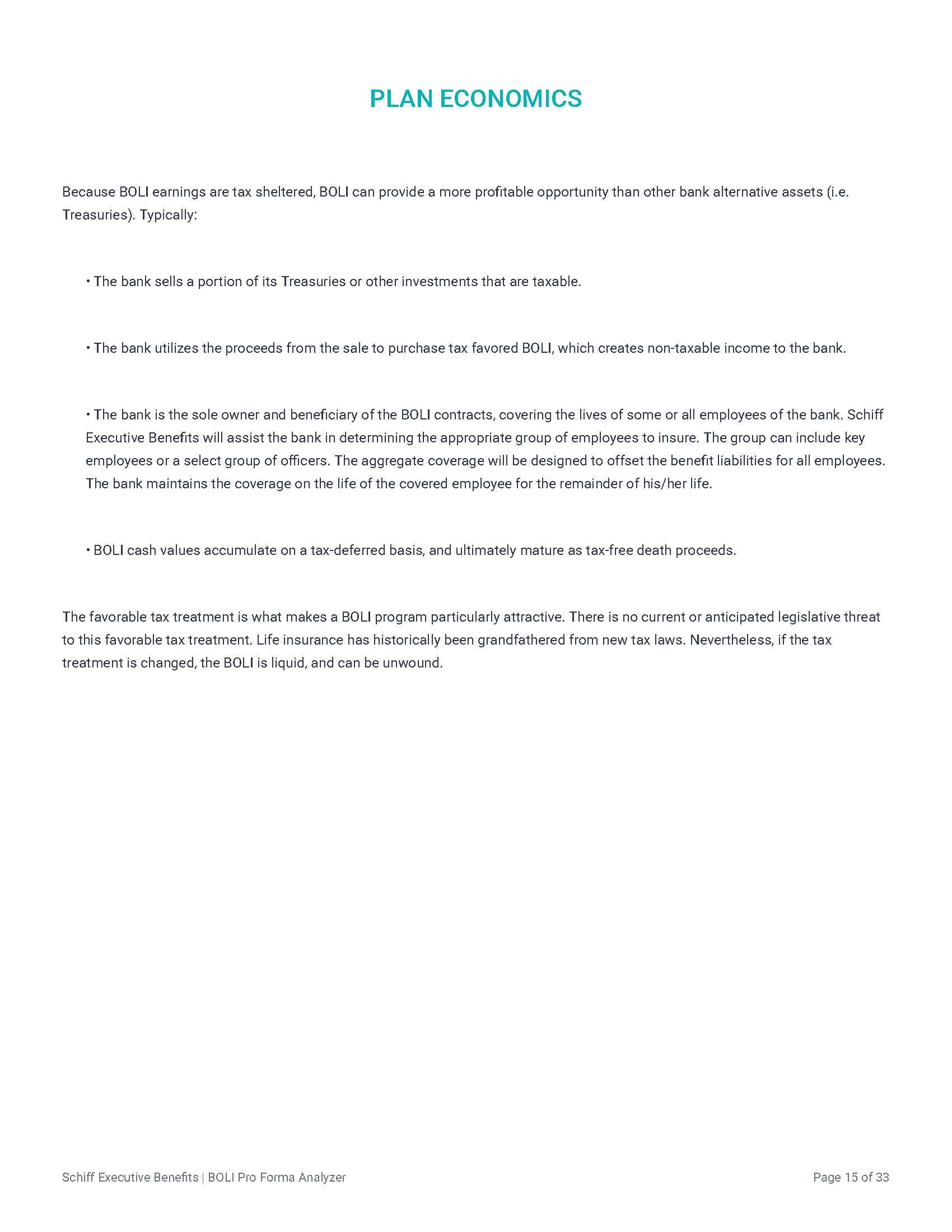
- Tax-free benefits: Using the right funding vehicles: like Corporate Owned Life Insurance (COLI): to ensure that when the money comes out, it’s as efficient as possible.
This isn't just about 409A plans and compliance (though that’s the foundation). It’s about creating a mathematical advantage. By using this framework, we can often show an employer how they can provide a more robust benefit than a traditional 401(k) mirror plan, often with a neutral or even positive impact on the company’s balance sheet.
Retirement Made Simple: The Four Fixed Pillars
One of the biggest anxieties executives face is the "moving target" of retirement. Will the market stay up? Will the company’s stock fluctuate? To combat this, our reverse engineering focuses on four simple factors:
- Fixed Dollar: Knowing exactly what the payout will be.
- Fixed Period: Knowing exactly when and for how long the income lasts.
- Fixed Rate: Removing the volatility of the market where appropriate.
- Fixed Cash Flow: Designing the plan so it acts as a reliable "pension-style" stream of income.
When you simplify the outcome, you increase the perceived value of the benefit. Executives don't want to spend their weekends worrying about their deferred compensation volatility. They want to know that their work is building a stable future.

Addressing the "What Ifs" for Business Owners
It’s not just about the executive; it’s about the entity. Whether you’re a partnership or a corporation, you have your own "What Ifs."
- What if the executive leaves early? We design vesting schedules and "Golden Handcuffs" that protect the company’s investment.
- What if we want to recover the cost of the plan? This is where COLI and other funding strategies come into play.
Through Employer Cost Recovery, we can structure plans where the company eventually gets back every dollar it paid out in benefits, plus the cost of money. It sounds too good to be true, but it’s simply the result of smart math and the right insurance-based funding vehicles. By using the tax advantages of life insurance within the corporate structure, we can offset the liabilities of the NQDC plan.
Culture, Intent, and the Human Element
Technical expertise is table stakes. You can find a dozen firms that understand the nuances of 409A plans. What’s harder to find is a partner who understands your company’s culture and intent.
Are you trying to reward a "lifer" who has been with you since the garage days? Are you trying to lure a high-level CEO away from a Fortune 500 company? Or are you looking to create a succession bridge via an ESOP or a Buy/Sell arrangement?
The intent drives the design.
In partnerships, for example, the goal is often about equalizing the "buy-in" and "buy-out" for senior partners. Reverse engineering allows us to see how an NQDC plan can act as a bridge, providing the departing partner with the income they need without crippling the cash flow of the junior partners taking over.
The Point of No Return
We are living in an era of massive economic shifts. Tax rates are at historical lows, but the national debt suggests that won't last forever. Inflation is a constant shadow. If you are waiting until "next year" to look at your executive benefit structure, you are missing the window to lock in current advantages.
Designing an NQDC plan isn't a "set it and forget it" task. It’s a dynamic process that requires a team of advisors who are looking at the horizon, not just the feet.
At Schiff Executive Benefits, we don't just sell plans; we build security. We act as your guide through the unstable landscape of modern finance, ensuring that your professional legacy and your personal lifestyle goals are perfectly aligned.
Let’s Sit Down and Do the Math
If your current plan feels like a generic template, or if you’ve never actually run the numbers to see if it will meet your executives' end goals, it’s time for a change.
Let's grab a coffee: virtually or in person: and talk about your "What Ifs." We’ll start with the end goal and work our way back. You might be surprised at how much more powerful your benefits can be when they are engineered with a purpose.
Come join us at Schiff Executive Benefits. Let’s build something your way.
Learn more: our complete guide to NQDC plans.