



It has often been said that a man who has his health has a thousand dreams, but a man who does not has only one. For the high-achieving executive, the transition from a storied career into a hard-earned retirement is the ultimate "dream value." You have spent decades navigating market volatility, managing complex teams, and securing the future of your organization. But there is one variable that remains stubbornly outside of any spreadsheet: the unpredictable nature of long-term health.
The reality is that traditional retirement strategies often overlook the "What If" that keeps many leaders up at night: What if I run out of retirement money because of a long-term care event?
At Schiff Executive Benefits, we believe in Restoring Alignment and Retention. When it comes to protecting your most valuable human capital: and your own personal legacy: the choice between Long-Term Care (LTC) riders and standalone coverage isn't just a technical insurance decision. It is a strategic move to safeguard a lifetime of work.
The "What If" Problem: Why Long-Term Care is the Missing Piece
Most executive benefit packages are robust when it comes to life insurance, disability, and deferred compensation. However, the gap between "wealthy" and "secure" is often defined by long-term care coverage. A private room in an assisted living facility or 24-hour home care can easily exceed $150,000 a year in today's market: and those costs are only rising.
For the corporation, the question is equally pressing: How do you attract and retain senior talent when the competition is offering "The Perfect Plan®"? If your senior executives are worried about their personal solvency in the face of a health crisis, they aren't focused on the long-term vision of your company.

Standalone LTC Policies: The Traditional Specialist
Standalone long-term care insurance was once the gold standard. These policies are dedicated instruments designed for one thing: paying for care.
The Pros:
- Customization: You can often dial in specific elimination periods, inflation protection percentages, and benefit durations.
- Pure Focus: Every dollar of premium is directed toward the LTC benefit.
The Cons:
- The "Use It or Lose It" Trap: This is the primary anxiety for many executives. If you pay premiums for twenty years and then pass away peacefully in your sleep without ever needing care, the insurance company keeps the premiums. For a high-net-worth individual, this feels like an inefficient use of capital.
- Volatile Premiums: Many older standalone policies saw significant rate increases over the years, creating uncertainty in retirement budgeting.
- Stringent Underwriting: Getting approved for a standalone policy can be a gauntlet of medical exams and history checks.
LTC Riders on Life Insurance: The Integrated Alternative
In recent years, we have seen a massive shift toward "linked-benefit" or "hybrid" strategies. This usually involves adding an LTC rider to a permanent life insurance policy, often structured as Corporate Owned Life Insurance (COLI).
How It Works
Instead of a separate policy, the LTC benefit is "accelerated" from the death benefit. If you need care, you tap into the life insurance policy's face value. If you don't need care, your beneficiaries receive the full death benefit.
The Benefits of the Rider Approach:
- Efficiency: Your premium is never "wasted." It either pays for care or it pays a death benefit.
- Simplified Underwriting: When these plans are implemented as part of a deferred compensation or executive benefit program, we can often negotiate simplified or "guaranteed issue" underwriting for a group of executives. This is a massive win for senior leaders who might have minor health hiccups that would disqualify them from standalone coverage.
- Cost Recovery: This is where the strategy becomes a powerful executive retention strategy.
Why Riders Are More Cost-Effective for Employers
When we sit down with a board of directors or a business owner, the conversation usually turns to the bottom line. How can the company afford to provide such a high-tier benefit?
The answer lies in the structure of the COLI. If structured correctly, the employer can achieve full cost recovery. The company pays the premiums and remains the beneficiary of the policy. The executive receives the long-term care protection as a benefit of their employment. When the executive eventually passes away (long after they have retired), the company receives the death benefit tax-free, which can reimburse the company for every dollar of premium paid, plus a rate of return.
This transforms an "expense" into an "informal funding vehicle." It allows the company to offer a world-class benefit that helps attract and retain top talent without permanently depleting the balance sheet.

Comparing the Strategies: At a Glance
| Feature | Standalone LTC | LTC Rider (Hybrid/COLI) |
|---|---|---|
| Primary Purpose | Long-term care only | Death benefit + Long-term care |
| Premium ROI | None if care is never needed | Guaranteed (either care or death benefit) |
| Underwriting | Strict/Medical | Often Simplified for Executive Groups |
| Cost Recovery | None for employer | Possible full recovery for employer |
| Flexibility | High customization of care | Integrated into broader financial plan |
Compliance and Company Culture
Choosing the right strategy isn't just about the math; it’s about alignment. Does the plan reflect your company culture? If you pride yourself on being a "family-first" or "legacy-focused" organization, providing a benefit that ensures an executive won't be a burden to their family is a powerful message.
However, you must ensure compliance. Whether you are dealing with 409A plans or complex buy/sell arrangements, the integration of LTC coverage must be handled by experts.
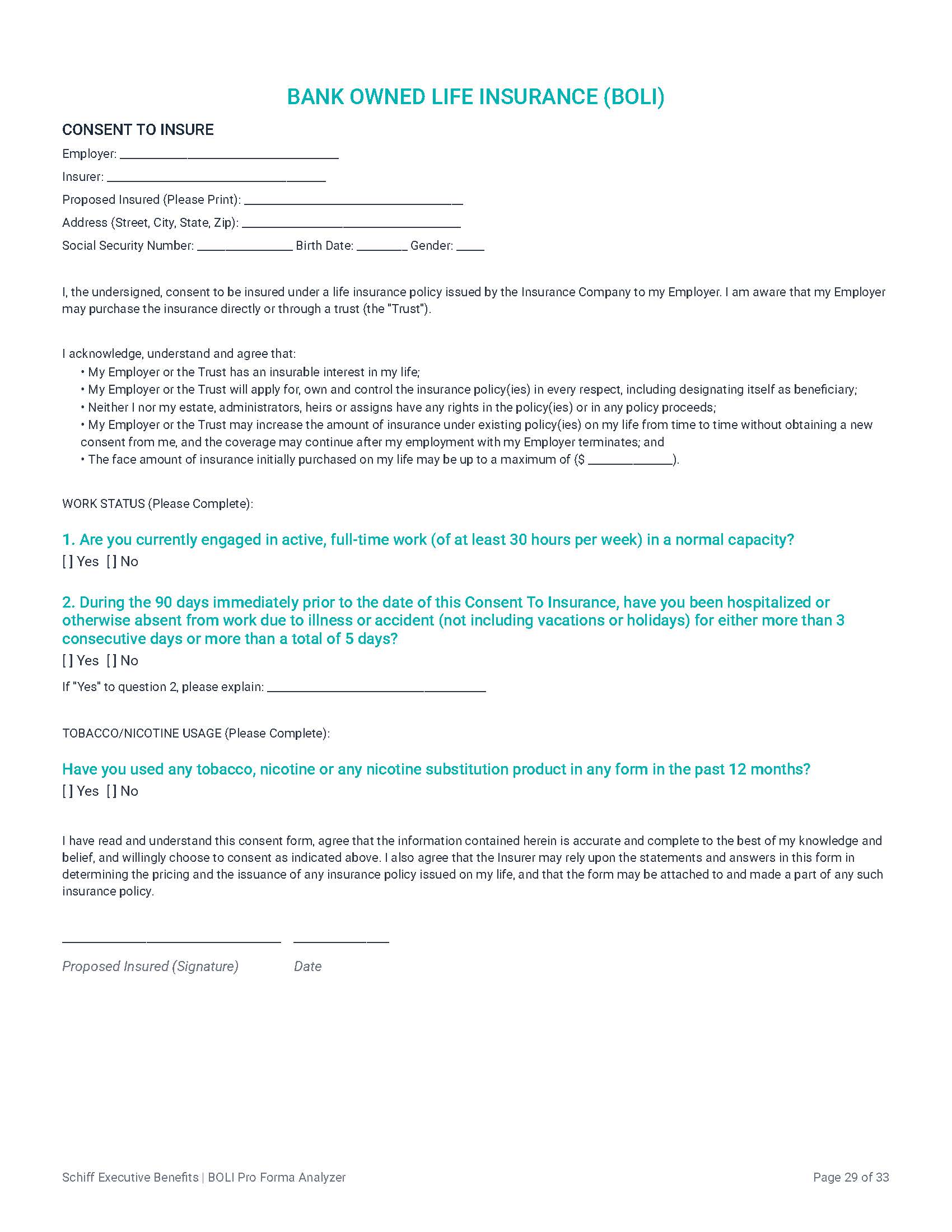
At Schiff Executive Benefits, we guide you through the regulatory environment, ensuring that the consent forms are in order and that the plan is communicated clearly to the participants.
The Path Forward: Which is Best for You?
So, how do you choose?
If you are a solo practitioner or a small business owner with no interest in permanent life insurance, a standalone policy might still hold some appeal for its pure-play simplicity.
However, for the majority of corporations and partnerships looking to solve for the "5 What Ifs," the LTC Rider/Hybrid approach is usually the superior choice. It addresses the senior executive retirement/replacement cost efficiency, provides a guaranteed return on premium, and serves as a formidable tool for retention.
Are you worried that your current retirement strategy is one health crisis away from collapse? Are you concerned that your top talent might be lured away by a competitor offering more security?
These are the questions that define your professional legacy. You don't have to navigate these "unstable" financial environments alone. Building it your way means having a team of advisors who understand that your business and your personal life are inextricably linked.
We invite you to take a breath, sit back, grab your coffee, and let’s look at your current plan. Is it truly The Perfect Plan®? If not, we are here to help you find the alignment you deserve.
Come join us at Schiff Executive Benefits. Let’s make sure your "thousand dreams" remain intact, no matter what the future holds.
Contact us today to explore executive LTC strategies tailored to your firm.